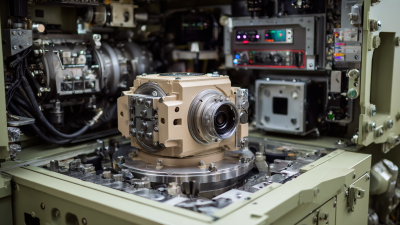
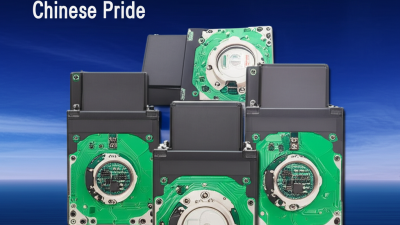
In today’s world, where getting navigation right matters more than ever, the way Inertial System Units (ISUs) have evolved really shows how far tech has come. I mean, from the old mechanical gyroscopes to the super sleek fiber optic gyroscopes (FOGs) we see now, these systems have come a long way. They’re now used everywhere — from planes to self-driving cars, making things more accurate and reliable. A good example of someone pushing the boundaries in this space is Poseidon International Group (Hong Kong) Limited. They kicked off in 2013 and have been mainly focused on doing their own research, designing, and making these advanced navigation systems. With their solid expertise in inertial navigation systems (INS) and attitude and control systems, they’re pretty much leading the pack. The impact of ISUs is pretty huge—they’re improving accuracy, boosting safety, and really making a difference across different industries. As we look back at this journey of innovation, it’s clear that these tech leaps not only changed how we navigate but also open up all kinds of new possibilities for the future.
The Historical Development of Inertial System Units in Navigation Technology
Over the years, the way inertial system units (ISUs) have developed has really changed the game in navigation tech. It all started back during World War II when folks needed more accurate guidance systems. From those early days, the focus was on improving navigation accuracy without having to depend on external signals. The first systems used mechanical gyroscopes — which, let's be honest, were pretty bulky and often kind of unreliable. But technology kept moving forward, and eventually, fiber optic gyroscopes (or FOGs) came into play. These things measure rotation with incredible precision and stability, and honestly, that was a major breakthrough in how we navigate today.
Now, big players like Poseidon International Group, which was founded in 2013, have been pushing the boundaries even further. They’re all about researching, designing, and making cutting-edge inertial navigation solutions. Their expertise with FOGs and inertial navigation systems (INS) helps power modern tech — think autonomous cars and sophisticated attitude and control systems. They've even secured multiple patents, showing their serious commitment to making navigation safer, more accurate, and more efficient across different industries. The story of ISUs isn’t just about technology getting smarter; it’s also about how much we’ve come to depend on reliable navigation in our increasingly automated world.
Unlocking Precision: The Evolution of Inertial System Units in Modern Navigation
This chart illustrates the advancements in Inertial System Units (ISUs) across key decades, highlighting technological milestones and their impact on navigation capabilities.
Key Components of Inertial Navigation Systems: Sensors and Algorithms
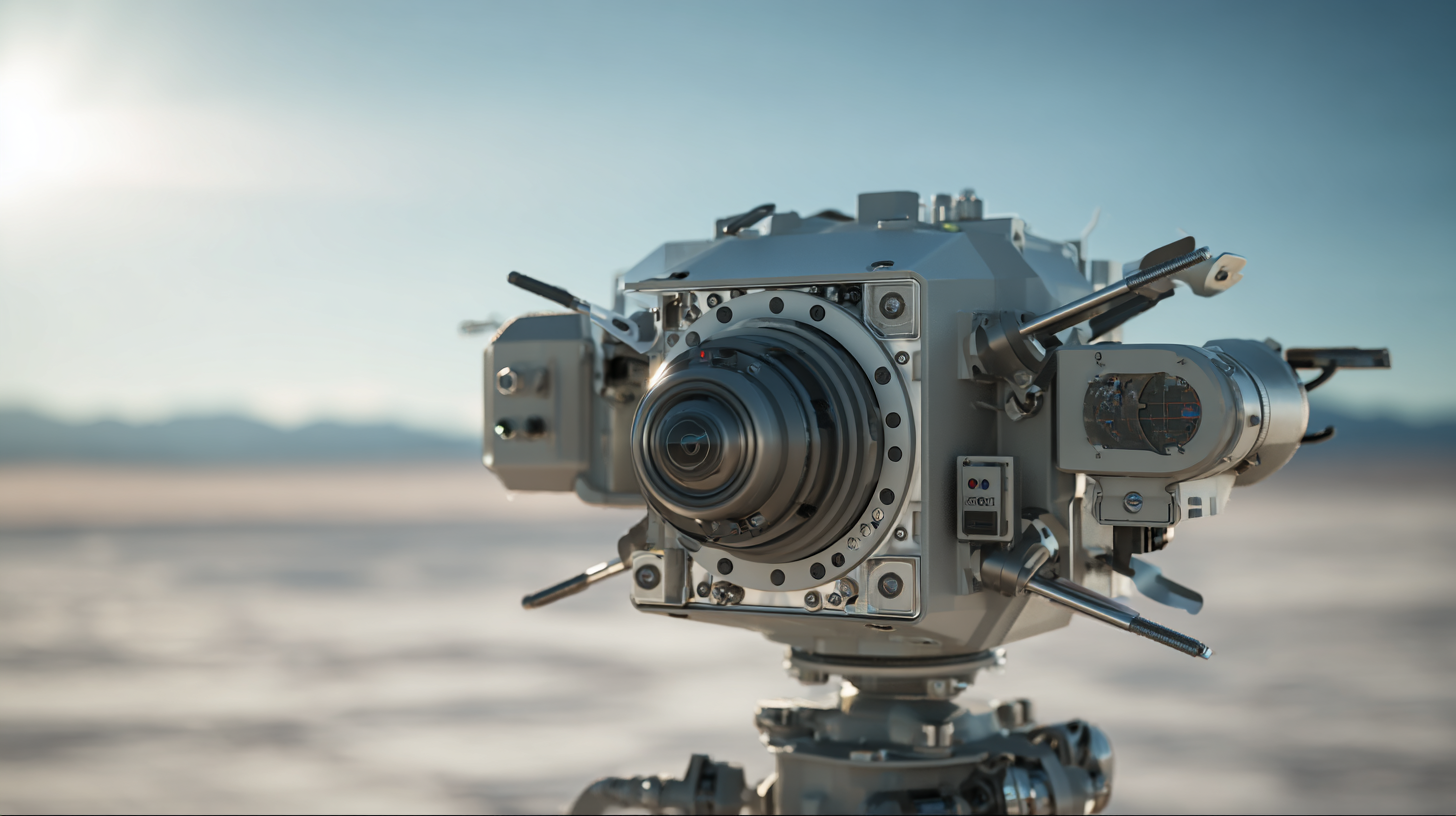
Inertial Navigation Systems, or INS for short, have come a long way lately, mainly thanks to smarter sensors and better algorithms. These days, high-performance MEMS inertial units are really changing the game, especially in places where GPS isn't reliable — think underground or in dense urban areas. They're tiny, affordable, and pack a punch when it comes to real-time tracking of movement, which is a huge plus for drones and other unmanned vehicles that need to operate in GPS-denied zones. And speaking of new tech, improvements in gyroscopic devices like fiber optic gyroscopes are making things even better. They’re more precise, lighter, and easier to fit into different setups, opening up a bunch of new possibilities.
Plus, when you combine data from these advanced sensors with powerful algorithms, you get really accurate estimates of roll and pitch angles — super important for keeping land and air vehicles stable and on course. Some tricks, like zero-velocity updates (ZUPT), are really catching on because they help clean up navigation data, even when the vehicle's moving a lot. All in all, these innovations in sensors and algorithms are pushing INS technology forward, and it honestly feels like we’re just getting started in what’s possible for navigation systems today.
The Role of Inertial Navigation in Modern Aerospace Applications
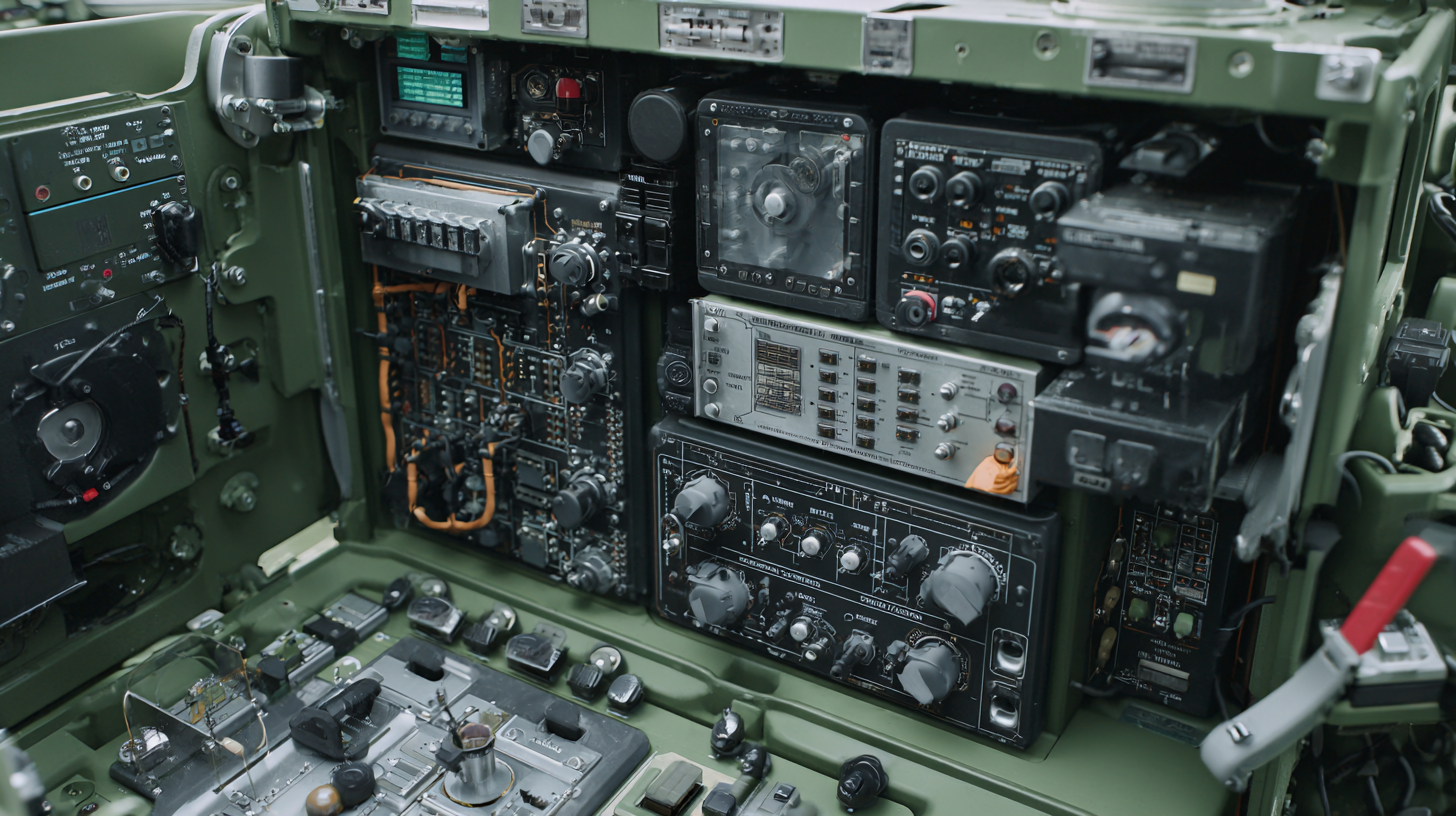
Inertial navigation systems (or INS, for short) have really revolutionized how we do aerospace stuff these days. They give us pretty accurate and reliable positioning, especially in places where usual navigation methods might struggle. Basically, these systems use accelerometers and gyroscopes—think of them as high-tech motion detectors—that can sense changes in speed and direction. This means aircraft can figure out where they are without needing any external signals. That’s a game-changer, especially in situations where GPS signals are weak or totally jammed, like during military missions or flying through dense cityscapes.
Over time, adding INS into aircraft tech has really boosted how well different kinds of aircraft perform—whether it’s commercial jets, drones, or even space shuttles. Take commercial flights, for example—it helps make the ride smoother by optimizing routes and saving fuel. And with drones becoming more popular, having super precise navigation systems is a must—they allow these unmanned aircraft to fly autonomously or semi-autonomously in tricky terrains or complex environments. As more advanced navigation tech becomes a necessity, inertial systems are going to stay pretty vital for keeping aerospace operations safe, efficient, and reliable.
Challenges and Limitations of Inertial System Units in Navigation
When it comes to modern navigation, Inertial System Units (ISUs) are pretty essential—they help figure out where you are, which way you're facing, and how fast you're moving, all without needing any external signals. That said, even with all the latest tech, there are still some hurdles. One big issue is something called drift — basically, errors that pile up over time, causing the position estimates to get way off. And that’s especially tricky in high-stakes situations like self-driving cars or space missions, where even tiny mistakes can cause serious problems.
On top of that, ISUs have their own set of challenges. Things like sensor integration, environmental factors—think temperature swings or vibrations—and cost can all mess with their accuracy. These kind of conditions mean you need really good calibration and clever algorithms to keep things running smoothly.
Companies like Poseidon International Group (Hong Kong) Limited are actually on top of this. They focus on developing better fiber optic gyroscopes and inertial navigation systems, actively working to fix these issues by creating smarter attitude and control systems. Through ongoing innovation, they’re aiming to make ISUs more precise and reliable, helping push forward the next generation of smart, autonomous navigation tech.
Future Trends in Inertial Navigation Technology and Their Potential Impact
As the way we navigate the modern world keeps changing, it's becoming pretty clear that
inertial navigation tech could play a bigger role than ever before. Recent reports, like the one from
RAND, point out that new technologies are really transforming warfare — making it more about info, with lots of unmanned systems and AI involved.
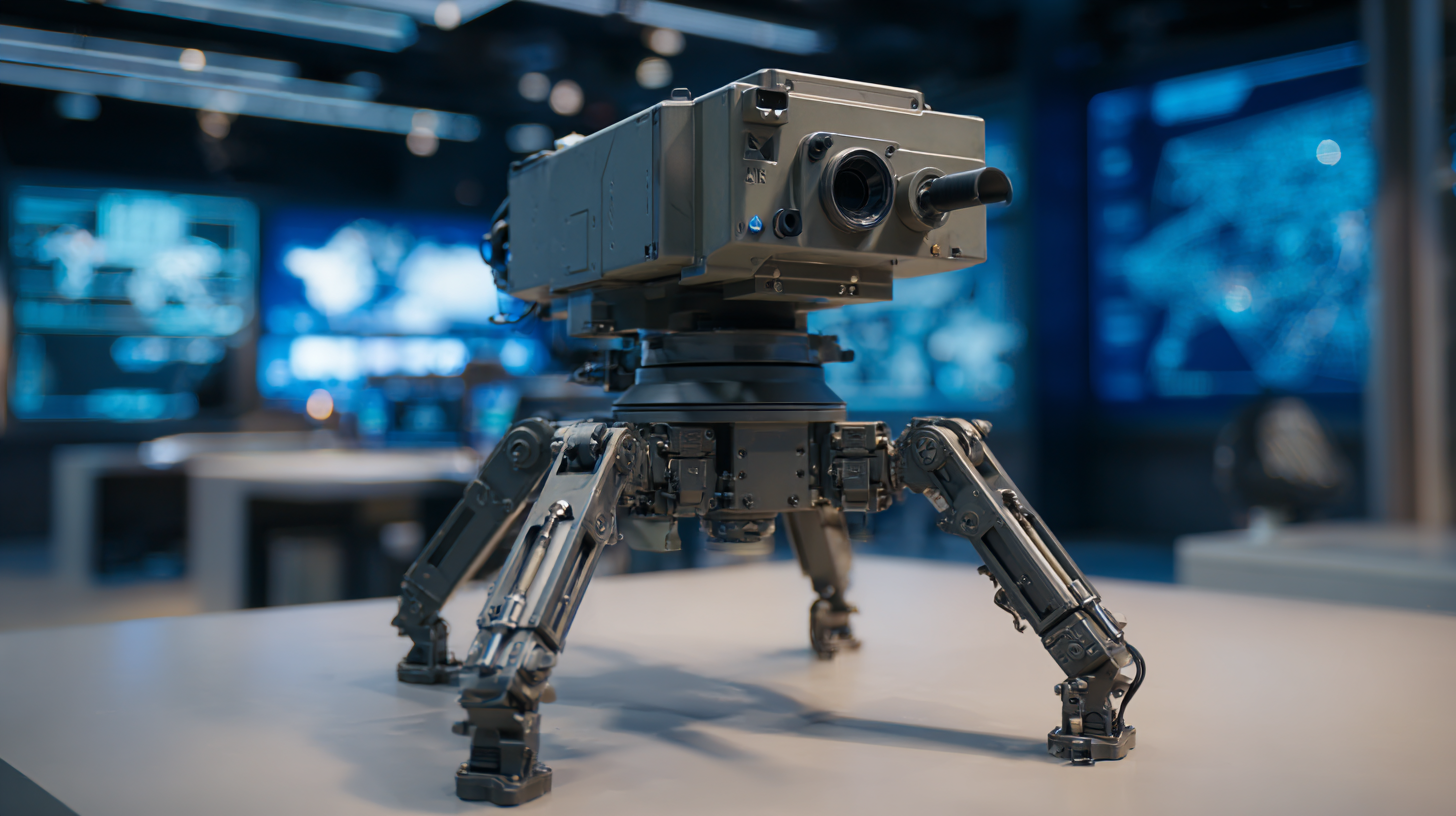
In this scene, inertial systems units (or ISUs) are crucial because they give us accurate navigation even when traditional systems like GPS get disrupted or jammed.
You know, GPS can be vulnerable to interference or attacks, so having a reliable backup is a game-changer.
The U.S. Army is putting a lot of effort into building advanced positioning, navigation, and timing (PNT) systems, because they realize our tech needs to be flexible enough to handle tough battlefield conditions.
The global market for PNT tech is expected to grow a lot, and we're seeing inertial navigation systems being integrated into both military hardware and commercial stuff.
It’s all about making systems more resilient and dependable.
Industry reports also mention that new innovations — like better inertial sensors and quantum tech — are making navigation even more precise.
All in all, these advancements could really boost our strategic defenses and operational effectiveness, especially against today’s modern threats.
FAQS
: The key components of INS include advanced sensors like high-performance MEMS inertial units and algorithms that facilitate real-time motion estimation and precise navigation.
INS provide accurate positioning in environments where GPS signals are weak or unavailable, making them essential for operations such as military missions and navigation in dense urban areas.
Innovations in gyroscopic technology, such as fiber optic gyroscopes, as well as techniques like zero-velocity updates (ZUPT), are driving improvements in the accuracy and performance of INS.
INS enhances the performance of commercial aircraft, drones, and spacecraft, contributing to smoother flight operations, better route planning, and improved fuel efficiency.
Precise navigation provided by inertial systems is crucial for the autonomous or semi-autonomous operation of drones in complex terrains, ensuring mission success.
Emerging technologies and ongoing innovations in inertial sensors and quantum technologies are expected to enhance navigational precision and resilience against disruptions, especially in military applications.
The development of advanced positioning, navigation, and timing systems by the U.S. Army emphasizes the need for adaptive, resilient navigation technologies in complex battlefield environments.
The global PNT market is anticipated to grow significantly, driven by the increased demand for reliable and resilient navigation solutions across military and commercial sectors.
The integration of INS improves navigation accuracy and efficiency, which is crucial for ensuring safety during flight operations, particularly in adverse conditions.
INS must contend with challenges such as dynamic motion and the potential for disruptions to conventional systems like GPS, highlighting the importance of robust sensor and algorithmic integration.
Conclusion
Hey, have you read the article "Unlocking Precision: The Evolution and Impact of Inertial System Units in Modern Navigation"? It dives into how much INertial System Units (ISUs) have progressed over the years and just how important they are for navigation today. The piece walks you through their history, pointing out key parts like sensors and algorithms that make precise navigation possible. It also talks about some pretty cool applications, especially in aerospace, where accuracy can literally mean the difference between success and disaster. Of course, it doesn't shy away from the hurdles, like calibration issues and drift that these systems struggle with.
Looking ahead, things are really heating up in this space. Advances in inertial navigation tech are set to boost capabilities across pretty much everything—think autonomous driving and beyond. And companies like Poseidon International Group in Hong Kong are right at the forefront. Started back in 2013, they’ve been designing and manufacturing cutting-edge inertial navigation systems and fiber optic gyroscopes, which play a big role in keeping navigation reliable—even when environments get tricky. It’s pretty exciting to see how all this will shape the future!

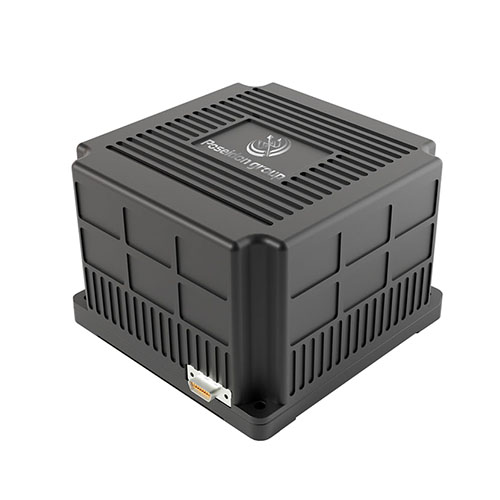 TBSD60
 BSD120
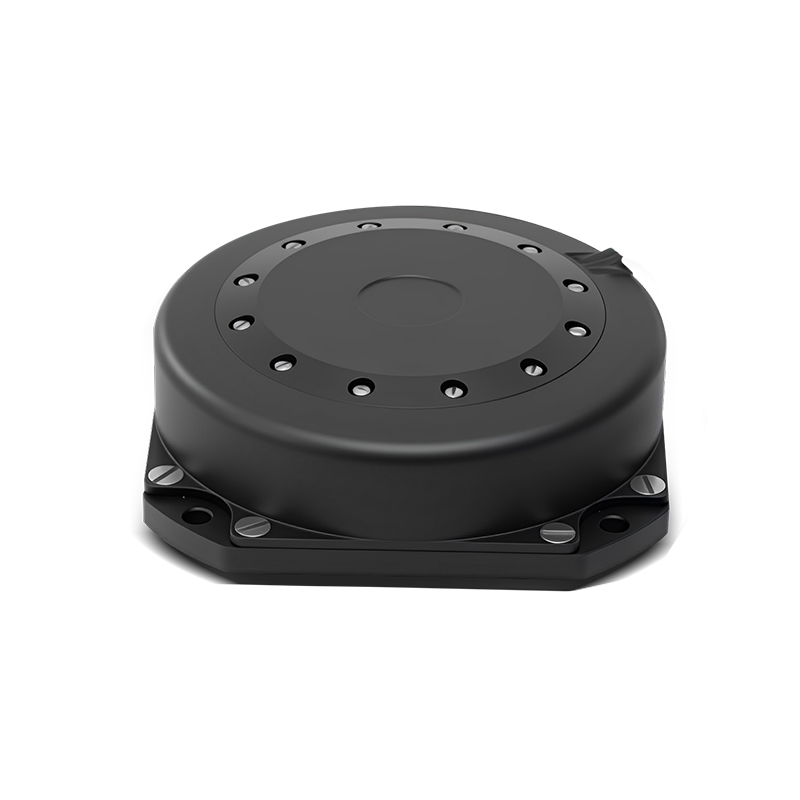 BSD98
BSD98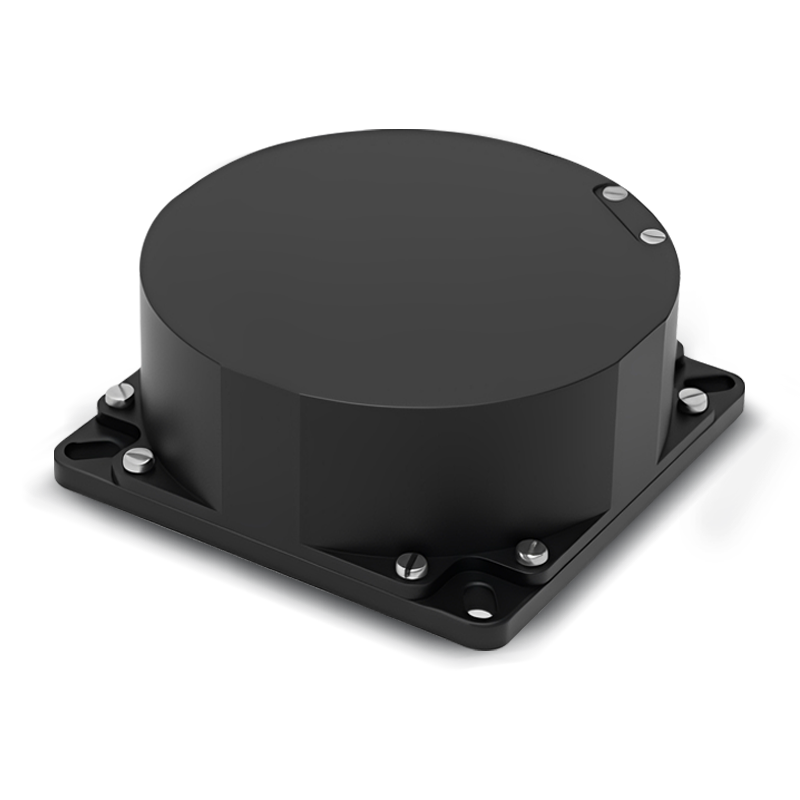 BSD70
BSD70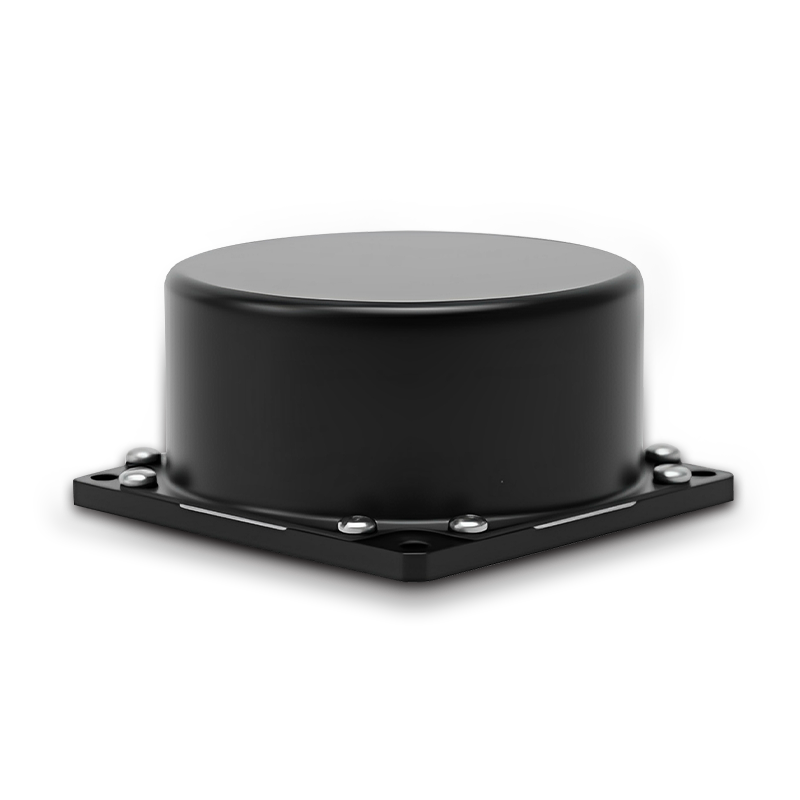 BSD60
BSD60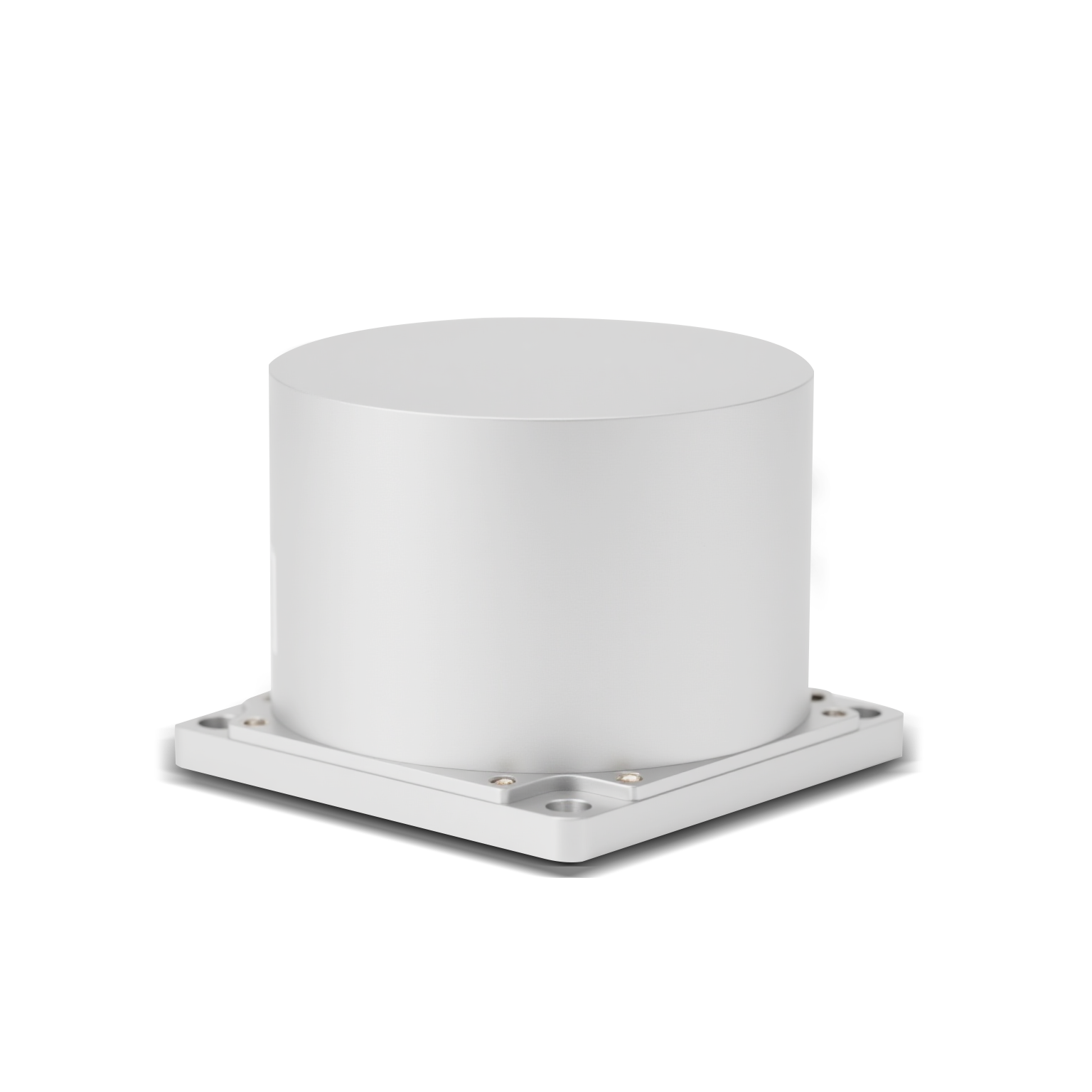 BSD50
BSD50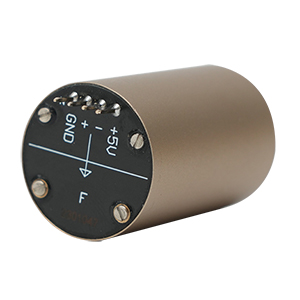 BSD217
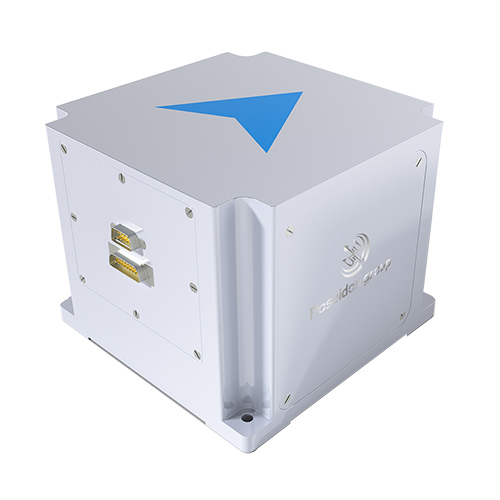 INS1700
 INS970
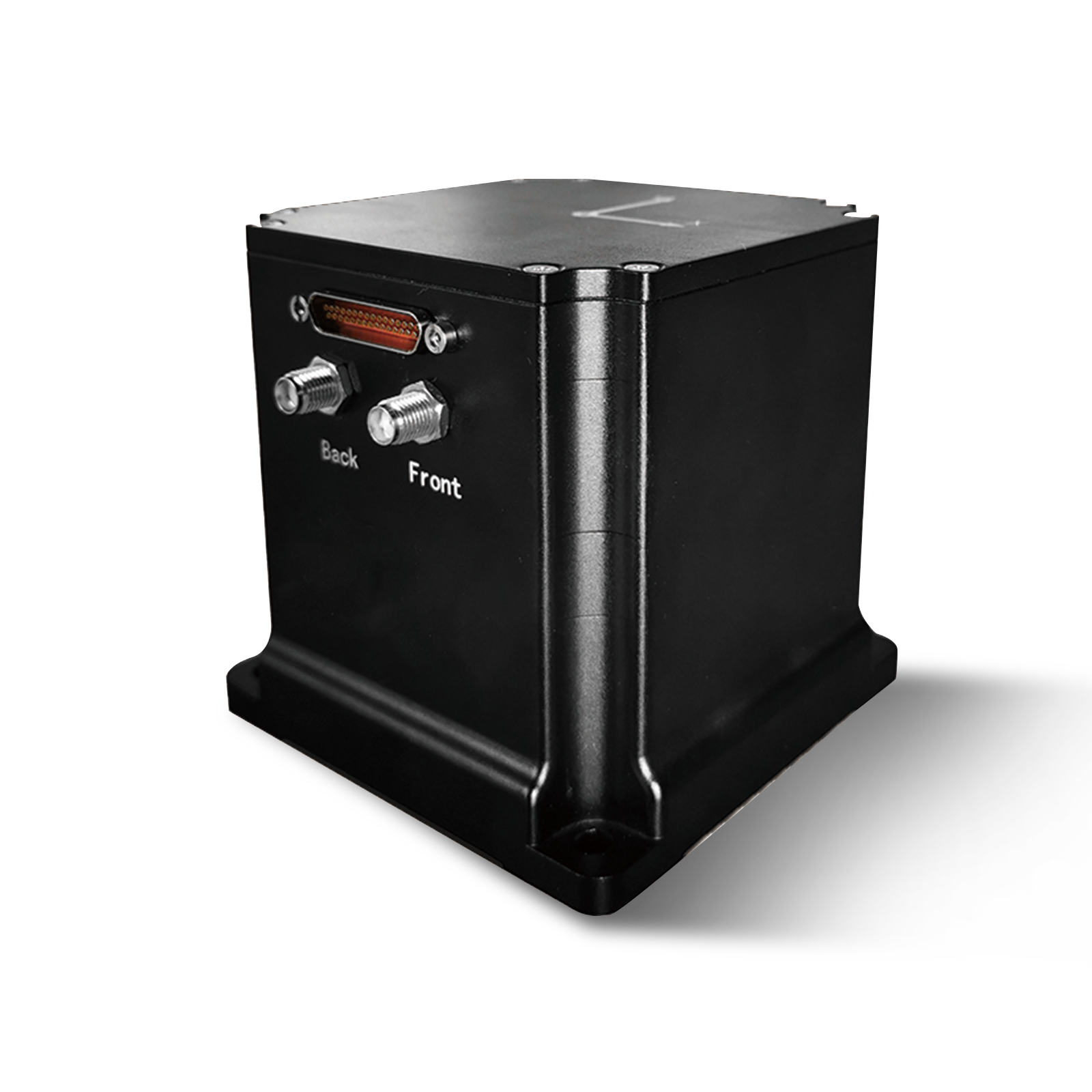 INS570
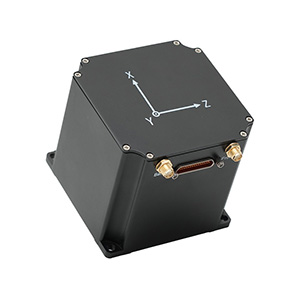 INS170
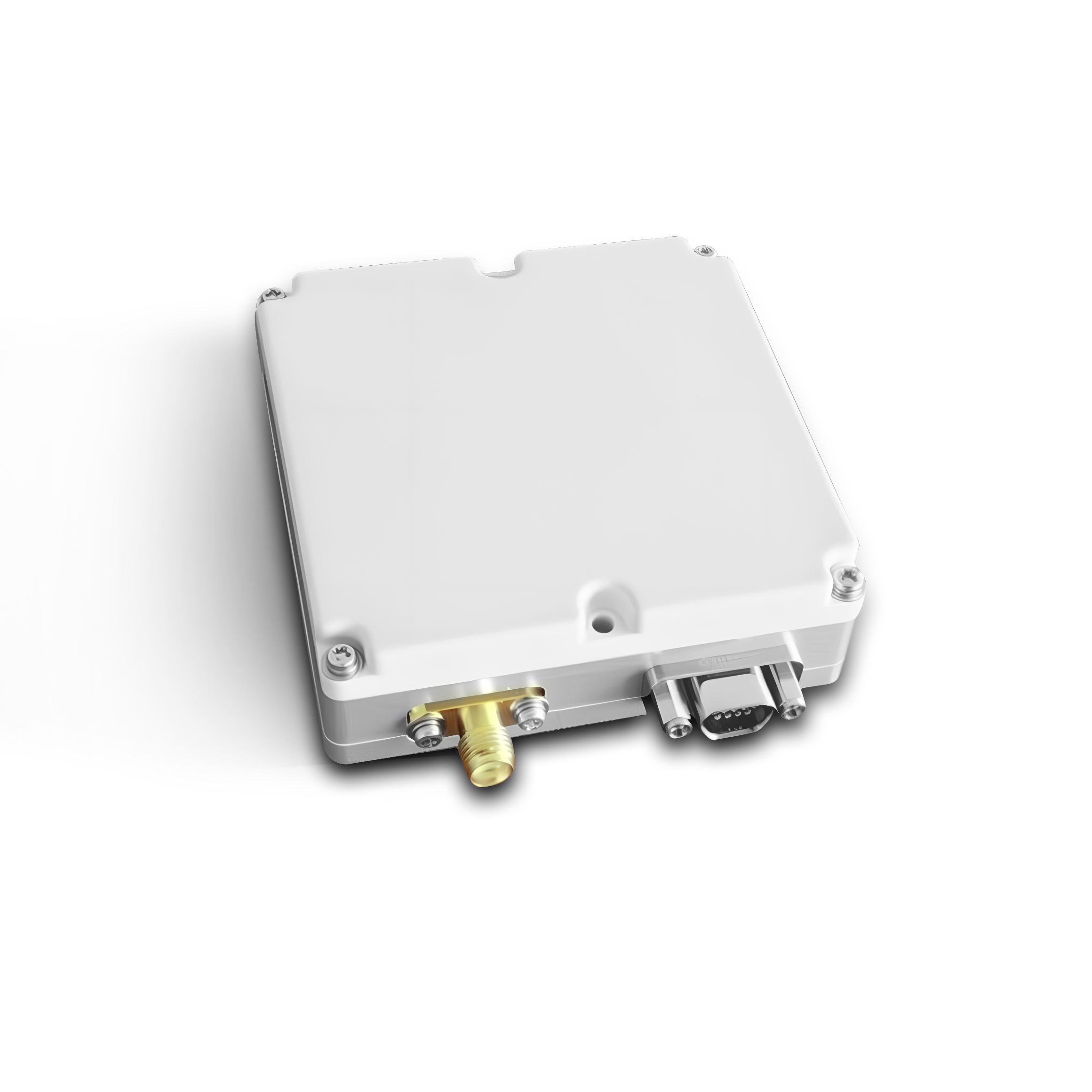 SLA-4B1L1-65
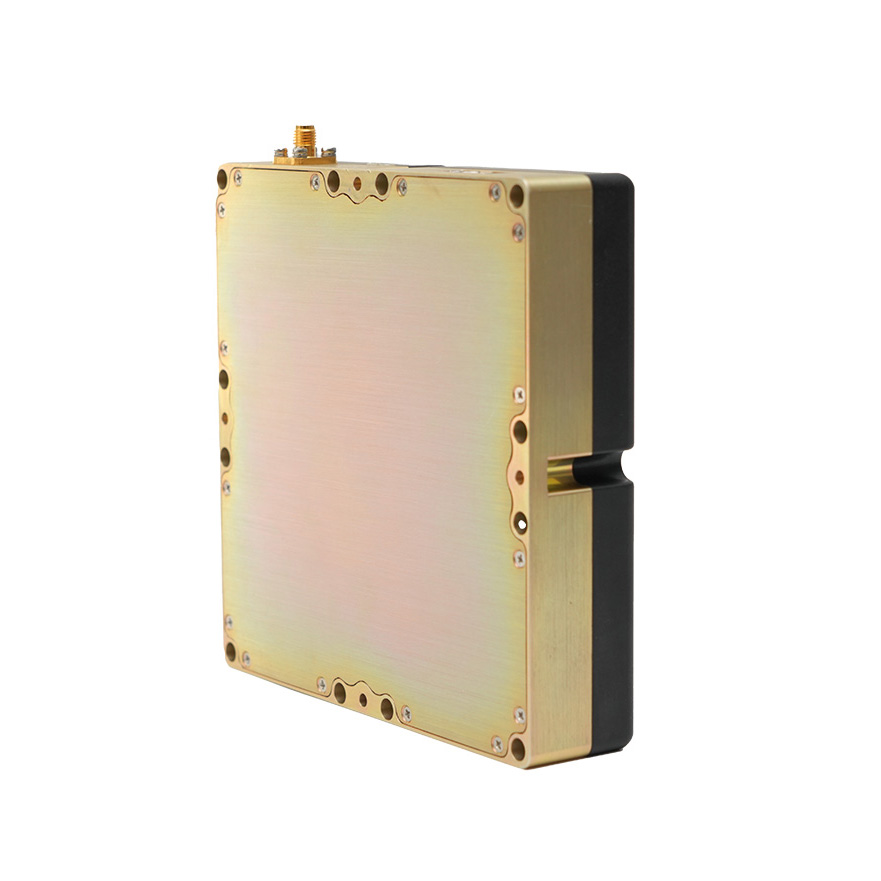 SLA-4B1L1-130
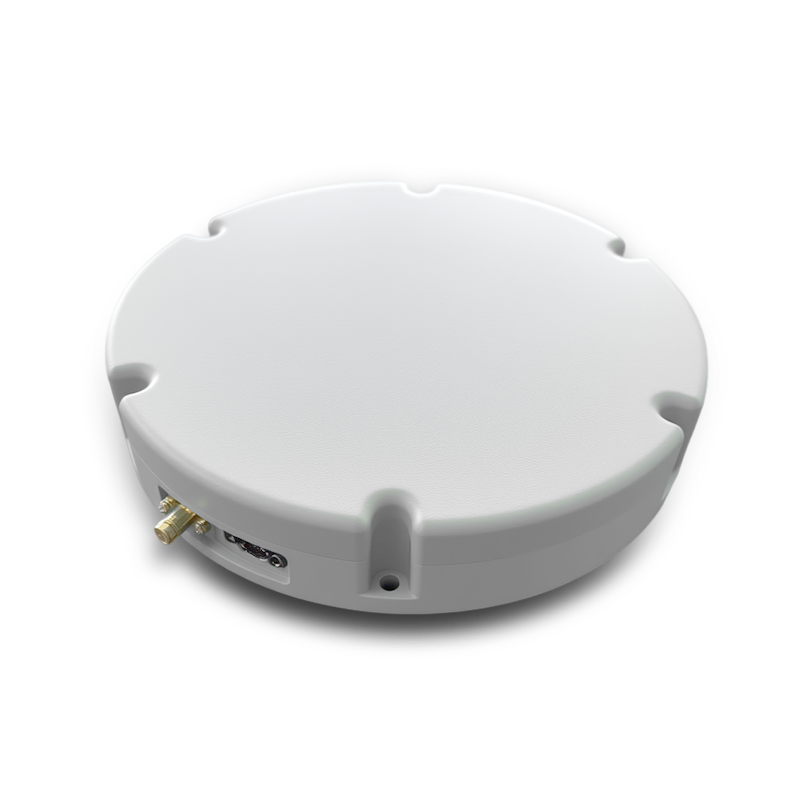 SLA-8B1L1-165
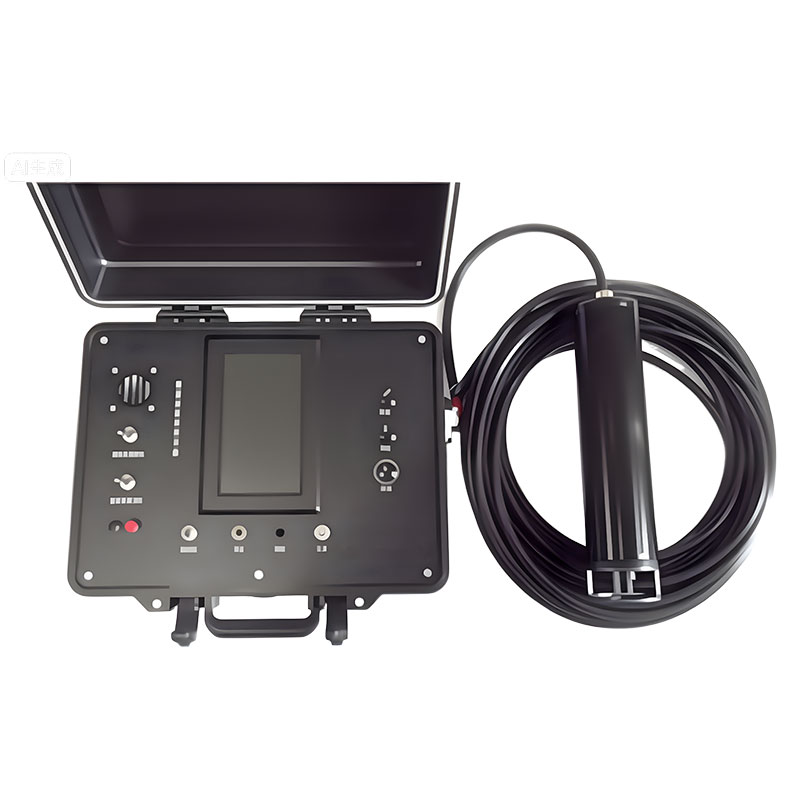 DIVER 101
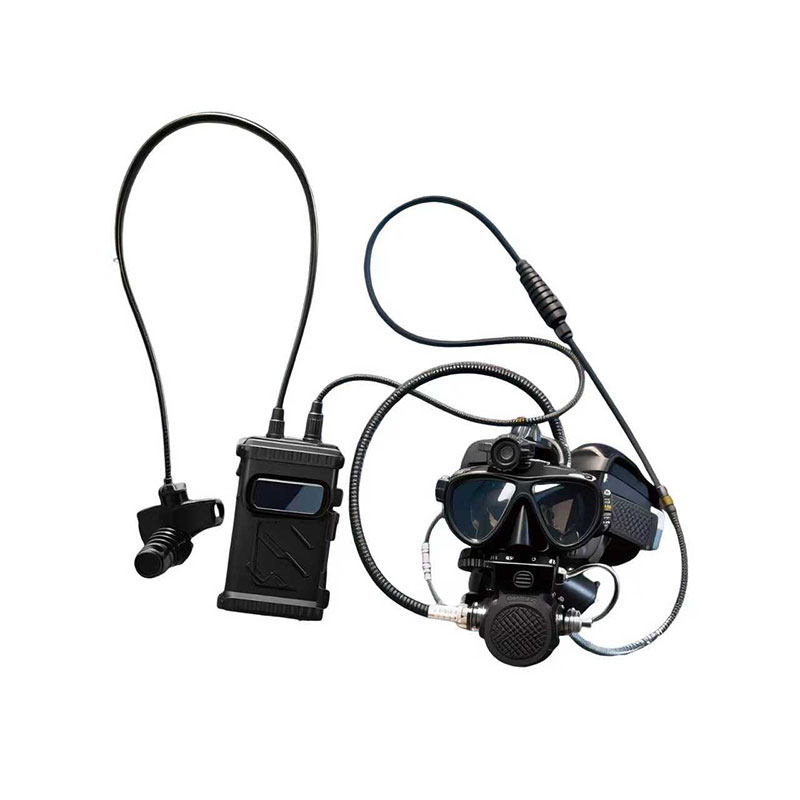 DIVER 102
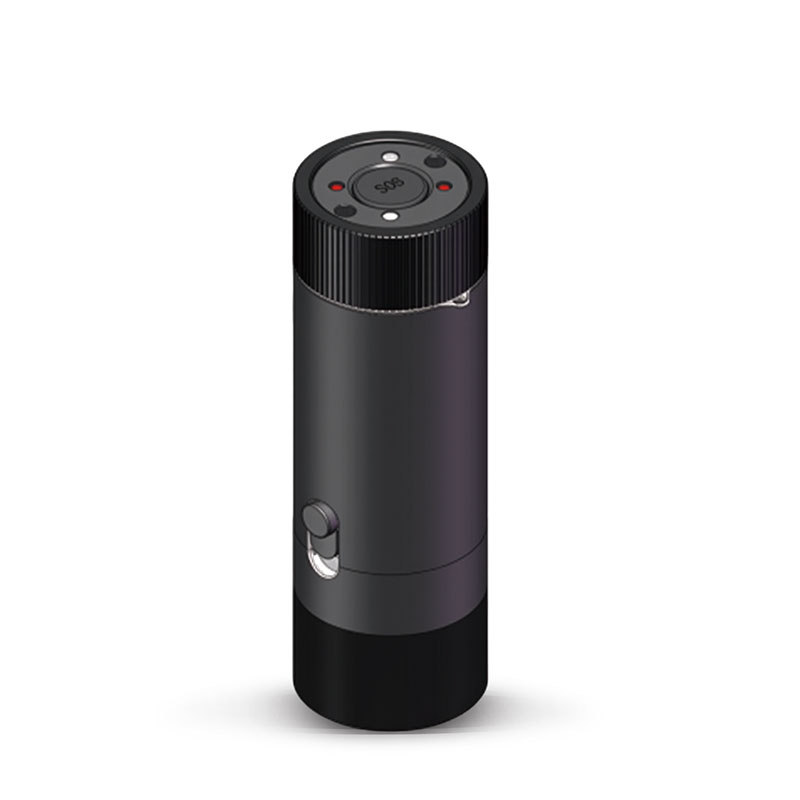 DIVER 103
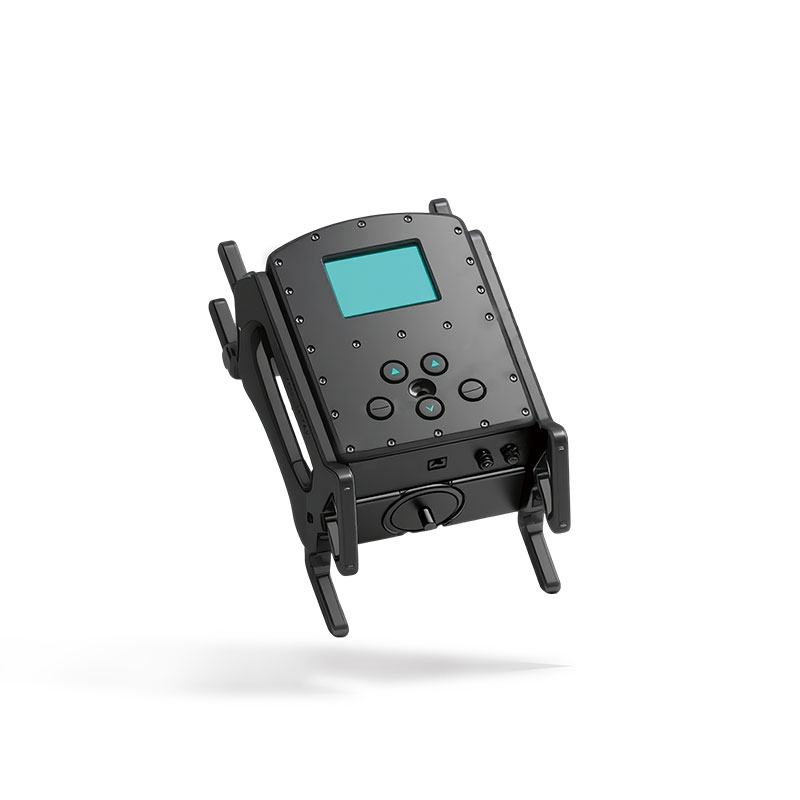 DIVER 104
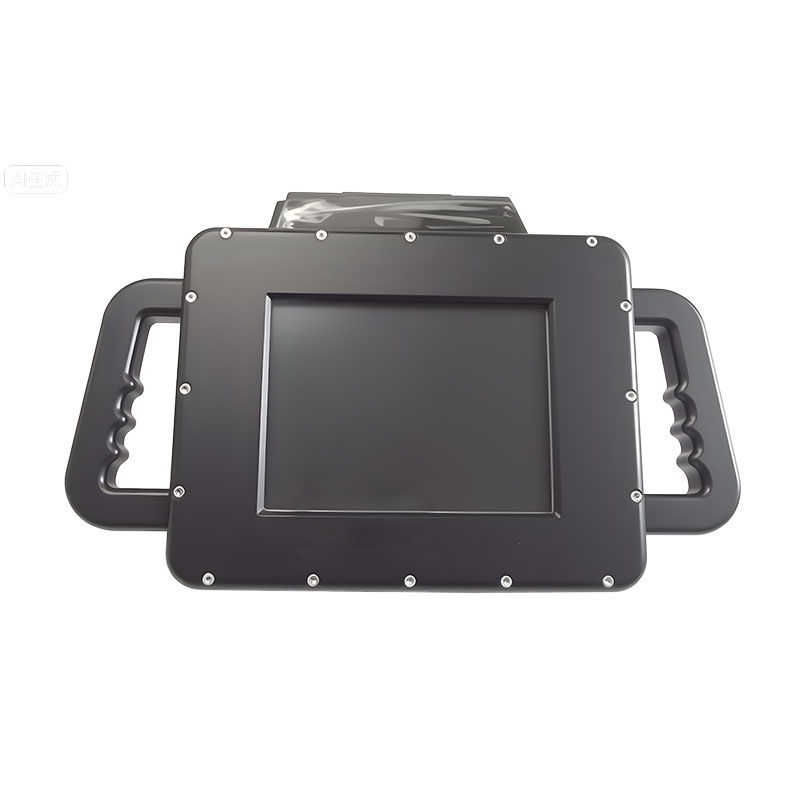 DIVER 105
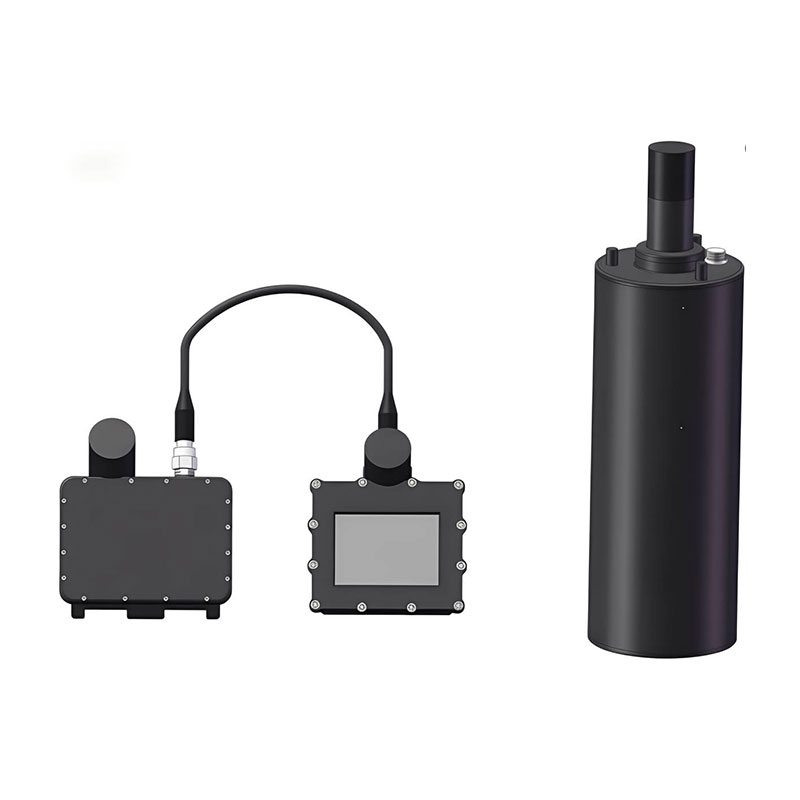 DIVER 106
 SLLR3000
 SLLR905
 SLLD25
 160M
160M 170M
170M SLFC-70
 SLAF280
 MR360
MR360