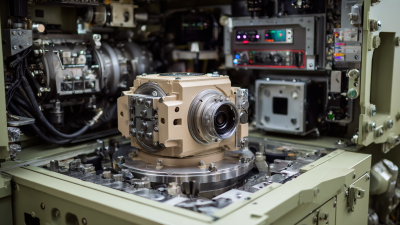
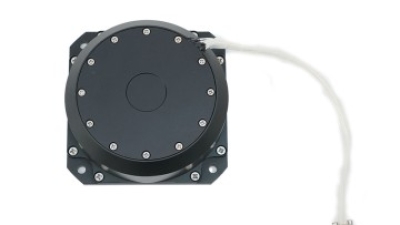
You know, when it comes to autonomous vehicles, a huge part of their progress really hinges on the use of Inertial Navigation Sensors. These little gadgets are super important for making sure the vehicles know exactly where they are, no matter the environment. I came across a report by MarketsandMarkets that basically says the global market for inertial navigation systems is expected to jump from around $12.5 billion in 2020 to over $20 billion by 2025. That just shows how much everyone’s craving more accurate navigation tech, especially in cars and aerospace. One company really standing out in this space is Poseidon International Group, based in Hong Kong. They've been around since 2013 and focus on researching, designing, and making key tech like fiber optic gyroscopes and inertial navigation systems. They've got quite a few patents under their belt, positioning them as leaders in building advanced attitude and control systems that boost what autonomous vehicles can do. Honestly, perfecting these sensor technologies is pretty much the key to unlocking all the amazing stuff we can expect from self-driving cars down the line.
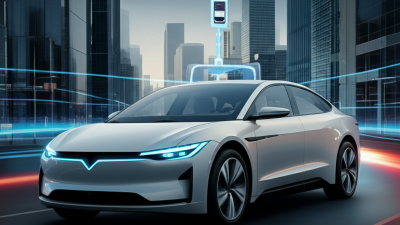
The Role of Inertial Navigation Sensors in Enhancing Autonomous Vehicle Accuracy
You know, the way inertial navigation sensors are being integrated into autonomous vehicles is honestly a game-changer. They’re really important because they provide trustworthy info about where the vehicle is and how fast it’s going—stuff that’s crucial for making split-second decisions on the road. I came across a report from MarketsandMarkets in 2023—apparently, the global market for inertial measurement units, or IMUs, is expected to hit around $4.2 billion by 2025. That’s like an 8.6% annual growth rate, which just shows how much everyone’s relying on precise navigation tech these days, especially in the automotive world.
And here’s the thing—these inertial navigation systems (INS) actually work really well together with good old GPS, especially in tricky spots where satellite signals can be patchy or unreliable. For example, a study from the IEEE mentioned that combining INS with GPS can boost positional accuracy by up to 50% in situations where GPS alone isn’t cutting it. That’s a huge deal because it means cars can better handle navigating through complex city streets or even remote rural areas where connectivity isn’t so great. With the push toward fully autonomous vehicles gaining steam, you can bet the demand for smarter inertial navigation solutions is only going to skyrocket, sparking even more innovations in the industry.
Market Trends: Growth Projections for Autonomous Vehicles and Sensor Technologies
Hey, so here’s the scoop on the global predictive automotive tech market — it’s really set to take off! Right now, it’s valued at around $64.3 billion in 2023, but experts are estimating it’ll jump to about $118 billion by 2030. That’s a pretty solid growth rate of roughly 9.1% annually. What’s driving all this? Well, a big part of it is the investment in sensor tech, especially for making autonomous vehicles smarter and safer. For instance, Inertial Navigation Sensors are becoming almost indispensable—they give vehicles the crucial data needed for navigation and positioning, which ultimately makes self-driving systems more reliable and safe.
And it doesn’t stop there. The autonomous vehicle market is expected to hit some pretty insane numbers — around $1.8 trillion by 2024. Looking ahead from 2025 to 2034, the growth should keep up at about 11.1% CAGR, mainly because more folks are leaning toward sustainable transportation options. Segments like Advanced Driver Assistance Systems (ADAS) and Driver Monitoring Systems (DMS) are also expected to grow a lot, showing that we’re moving toward integrating more high-tech solutions to make driving easier and safer. All in all, things look pretty bright for autonomous vehicles and the sensor tech that keeps everything running smoothly — it’s a really exciting time ahead!
Comparative Analysis of Inertial Sensors vs. Traditional GPS in Autonomous Systems
In the fast-changing world of self-driving cars, inertial navigation sensors are really starting to play a big role in making navigation more accurate. I read somewhere—MarketsandMarkets even mentioned it—that the global market for these inertial sensors could hit around $14.5 billion by 2026. It just goes to show how much people are relying on these things, especially with autonomous tech taking off. Whereas traditional GPS can get a bit unreliable—like when you're stuck in city traffic or the weather turns sour—these inertial navigation systems, or INS, keep working by constantly measuring motion and orientation. That way, they stay reliable even when GPS signals are patchy or lost altogether.
If you compare the two, GPS gives you a pretty broad idea of where you are, but for really precise, high-speed driving, it just isn't enough. Over time, small errors can add up, making the position less accurate. Interestingly, a study from the IEEE Transactions on Intelligent Transportation Systems found that by combining inertial sensors with GPS, you can cut down positioning errors by as much as 80%. It’s like these techs are better together, helping make navigation systems for autonomous vehicles much more reliable. All in all, this combo not only makes driving safer but also opens the door to more efficient and smarter transportation options down the line.
Real-World Applications: Case Studies of Inertial Navigation in Self-Driving Cars
Lately, we've seen how adding inertial navigation sensors to self-driving cars has really changed the game. It's pretty fascinating how companies like Waymo and Tesla are using really advanced inertial measurement units—IMUs, for short—to boost how accurately their vehicles can figure out where they are, especially when GPS signals aren't great or get blocked by tall buildings. A report from MIT even mentions that using IMUs can bump up navigation precision by about 30%, which is a huge deal in busy city environments full of obstacles and tall structures.
You can actually see these sensors in action in some pretty cool pilot programs. Take the recent partnership between NVIDIA and several car makers, for example. They've been showcasing how combining sensor data on the fly helps autonomous cars perform better, even in tricky situations. A technical report from the International Society of Automation points out that inertial-based navigation systems are effective within about a 5-meter margin of error—that’s pretty impressive for driving through crowded city streets without any human help. All in all, these advancements really highlight how vital inertial navigation sensors are in pushing autonomous vehicles forward, bringing us closer to a future where driving can be safer and more seamless alongside the regular, old-school transportation we've all known for ages.
Challenges and Solutions for Integrating Inertial Sensors into Autonomous Vehicle Frameworks
Integrating inertial navigation sensors into autonomous vehicles really isn't straightforward. There are quite a few hurdles to jump before we can get smooth and reliable navigation. One big issue is sensor fusion—basically, how to combine data from these inertial sensors with info from GPS or cameras. The tricky part? They often update at different speeds and have varying accuracy, which can mess with the vehicle’s understanding of where it really is, especially in tricky or complex environments. To handle this, we need smart algorithms that can adapt on the fly, making sure everything lines up nicely and the vehicle knows its position at all times.
Then there’s the calibration and drift correction stuff. Over time, inertial sensors tend to drift — tiny inaccuracies that add up and cause errors in positioning. So, regular calibration is a must, and using advanced techniques like machine learning can really help predict and fix these drifts before they become a big problem. If we crack these challenges, it opens up a lot of potential for safer, more efficient self-driving cars that can really handle the real world. It’s a tough road, but totally worth the effort!
Future Innovations: Emerging Technologies in Inertial Navigation for AVs
Looking ahead, the future of self-driving cars (AVs) is pretty exciting, especially with all the crazy advancements happening around inertial navigation sensors. These little gadgets are really game-changers when it comes to helping vehicles figure out exactly where they are — even in tricky environments where relying on external signals like GPS isn't always reliable. Thanks to tech like micro-electromechanical systems (MEMS) and machine learning, these sensors are getting better and smarter, making AVs more adaptable and resilient, even in tough conditions.
If you're thinking about integrating inertial navigation systems into autonomous vehicles, one piece of advice: focus on sensor fusion. Mixing data from various sources—like GPS, lidar, and radar—actually makes navigation way more accurate and dependable. Oh, and don’t forget about continuously updating those algorithms based on real-world driving experiences — it’s all about staying a step ahead.
Looking into the future, we can expect these sensors to get smaller and cheaper, but also way more capable. There’s also some really exciting stuff on the horizon, like quantum sensors that could take environmental mapping to a whole new level with unbelievable precision. All these advancements in inertial navigation aren’t just about making driving safer—they’re opening up an entirely new chapter in smart, connected transportation, and honestly, I can’t wait to see where it all goes.
| Technology Type |
Accuracy |
Cost |
Integration Complexity |
Market Adoption Stage |
| MEMS Inertial Sensors |
±1% error |
$10 - $20 |
Low |
High |
| Fiber Optic Gyroscopes (FOG) |
±0.01°/hr |
$1000 - $5000 |
High |
Moderate |
| Ring Laser Gyroscopes (RLG) |
±0.001°/hr |
$5000 - $20000 |
Very High |
Low |
| Vision-based Inertial Systems |
±5% error |
$200 - $1500 |
Medium |
Gaining Traction |
| Quantum Sensors |
Unparalleled Accuracy |
Experimental |
Very High |
Research Phase |
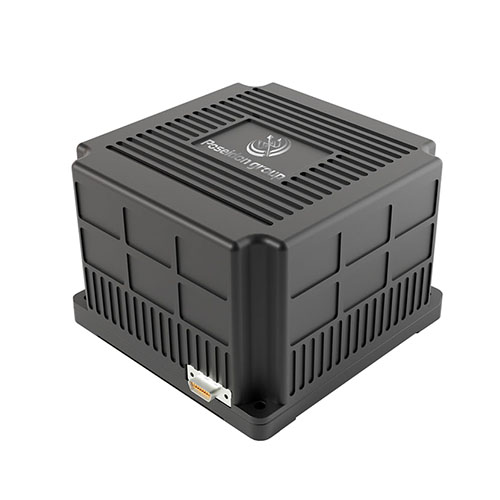
Advancements in UAV Navigation: Leveraging the BSD98 Lightweight Inertial Navigation Sensor for Enhanced Precision and Efficiency
The advancement of unmanned aerial vehicles (UAVs) has significantly transformed various industries, necessitating improvements in navigation technology to ensure precision and efficiency. One prominent innovation is the integration of the Poseidon BSD98 lightweight inertial navigation sensor, which features cutting-edge digital closed-loop technology. This high-performance fiber optic gyroscope exemplifies how modern engineering can enhance UAV navigation capabilities, providing precise data essential for mission success.
The BSD98 is engineered for exceptional performance, boasting a remarkable zero-bias stability range of 0.01°/h to 0.05°/h with 10 seconds of smoothing. Its compact design, measuring just 98mm x 98mm x 35mm and weighing less than 470g, makes it an ideal choice for use in UAVs that require both performance and lightweight solutions. Designed to withstand rugged environments, the BSD98 supports rapid startup and possesses a wide dynamic range, along with excellent resistance to vibration and shock. These features collectively empower UAVs to navigate complex terrains with unmatched accuracy and reliability, thus enhancing overall operational efficiency.
As industries continue to adopt UAV technology for various applications—from agriculture to surveillance—integrating such advanced inertial navigation sensors will become increasingly essential. The Poseidon BSD98 not only provides precision navigation but also allows for greater versatility in deployment, positioning it as a key component in advancing UAV capabilities for the future.
FAQS
: Inertial navigation sensors provide reliable position and velocity data, crucial for real-time decision-making in autonomous vehicles, thereby enhancing their accuracy.
INS complement traditional GPS, improving positional accuracy by up to 50% in challenging environments where GPS signals may be unreliable.
The global market for inertial measurement units (IMUs) is projected to reach $4.2 billion by 2025, with a compound annual growth rate of 8.6%.
Companies like Waymo and Tesla utilize advanced inertial measurement units (IMUs) to enhance vehicle positioning accuracy, particularly in areas with weak GPS signals.
Real-time sensor fusion optimizes vehicle performance by combining data from multiple sensors, which can improve navigation accuracy and reliability in complex driving scenarios.
Emerging technologies like micro-electromechanical systems (MEMS) and machine learning algorithms are driving improvements in sensor performance, adaptability, and resilience in challenging conditions.
Combining data from various sensors such as GPS, lidar, and radar through sensor fusion can significantly enhance overall navigation accuracy and reliability for autonomous vehicles.
Future innovations may focus on miniaturization, cost reduction of inertial sensors, and advancements like quantum sensors that provide unprecedented sensitivity and precision.
Regularly updating algorithms based on real-world driving data enhances performance and adaptability of inertial navigation systems as autonomous vehicle technology evolves.
The continuous evolution of inertial navigation is expected to ensure safer autonomous driving experiences and pave the way for advancements in smart transportation systems.
Conclusion
So, I came across this article called "Unlocking the Future of Autonomous Vehicles with Inertial Navigation Sensors," and honestly, it dives into just how important these sensors are for making self-driving cars more accurate. Basically, they give precise info about where the vehicle is and how it's moving, which is a game-changer—especially in tricky spots where GPS alone can struggle. The article also points out some pretty exciting market trends, predicting that both the tech for autonomous vehicles and the hardware powering them are set to grow like crazy.
They even share some real-world examples—case studies that show how these sensors have already been successfully integrated into self-driving cars. Of course, there are still hurdles to overcome when it comes to fitting these sensors into existing systems, but the article suggests some possible ways to handle those challenges. Looking ahead, it’s pretty optimistic about future innovations in inertial navigation tech, emphasizing that new breakthroughs could really push autonomous vehicle development to the next level. Oh, and by the way, Poseidon International Group from Hong Kong, which specializes in these kinds of navigation systems and related tech, seems perfectly positioned to play a big role in shaping this whole exciting landscape.

 TBSD60
 BSD120
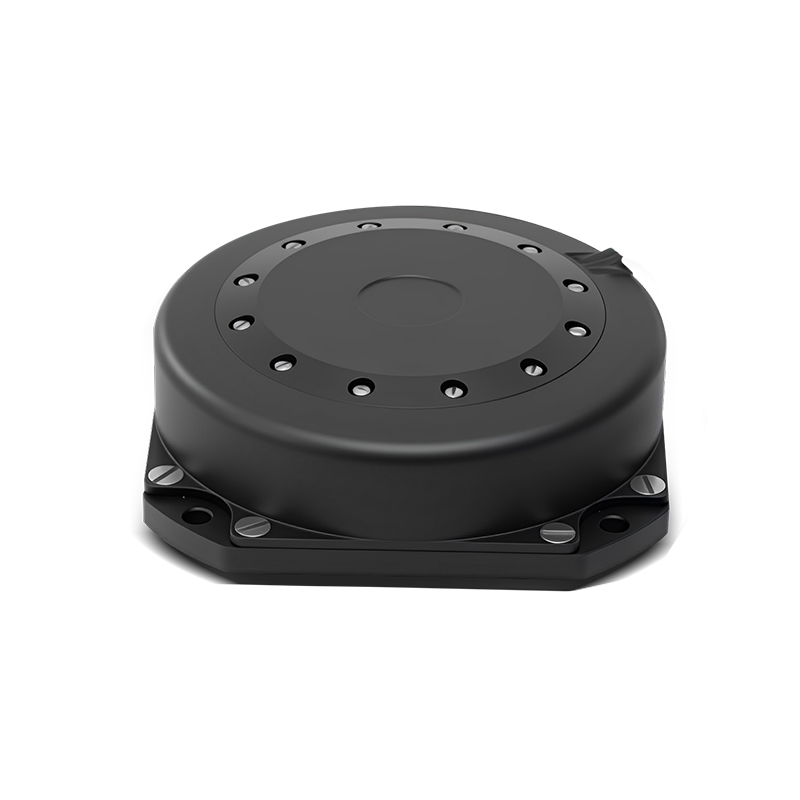 BSD98
BSD98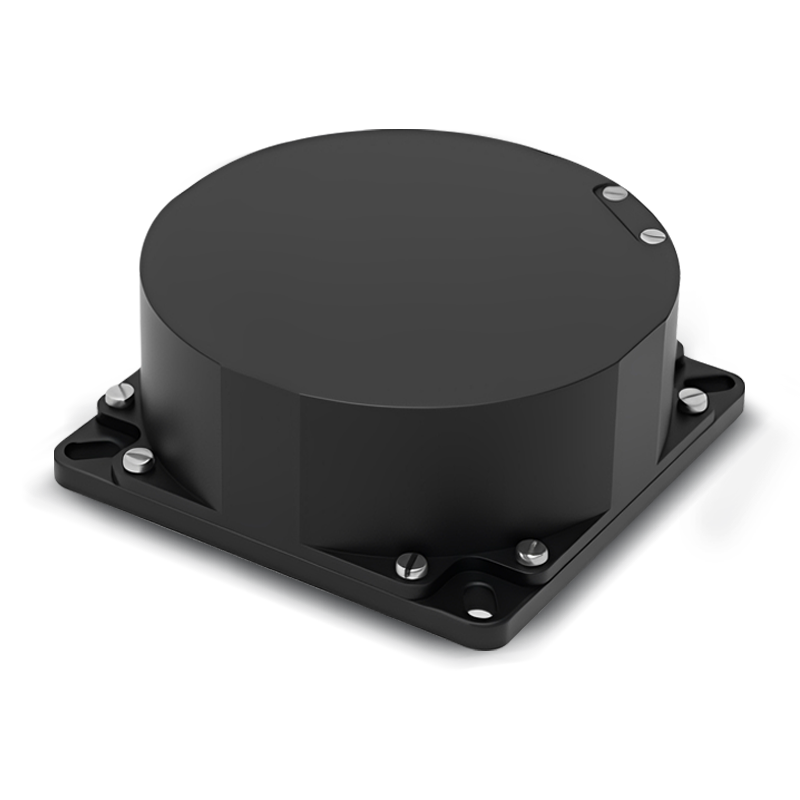 BSD70
BSD70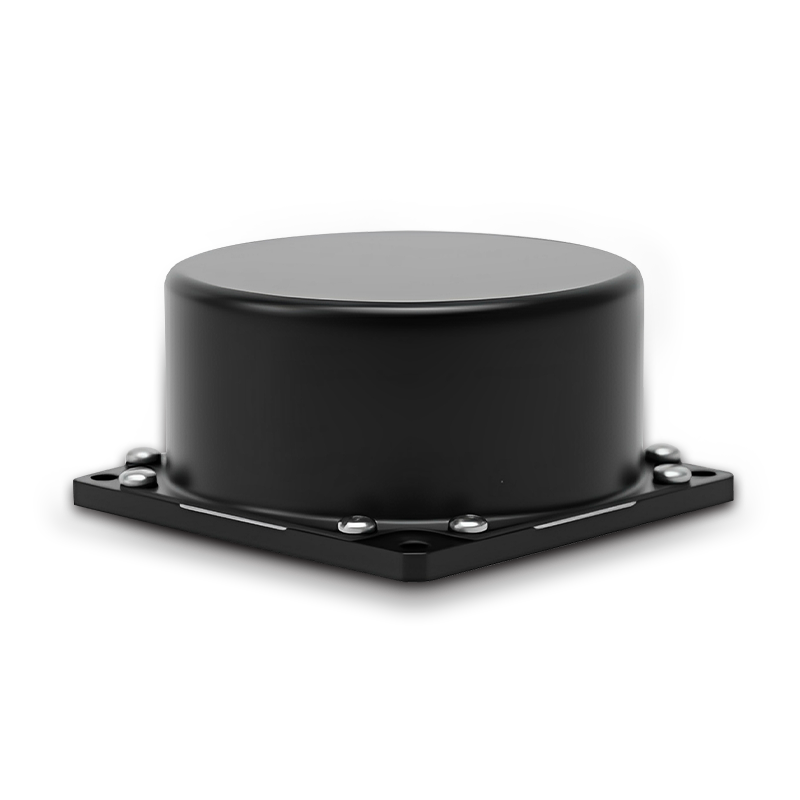 BSD60
BSD60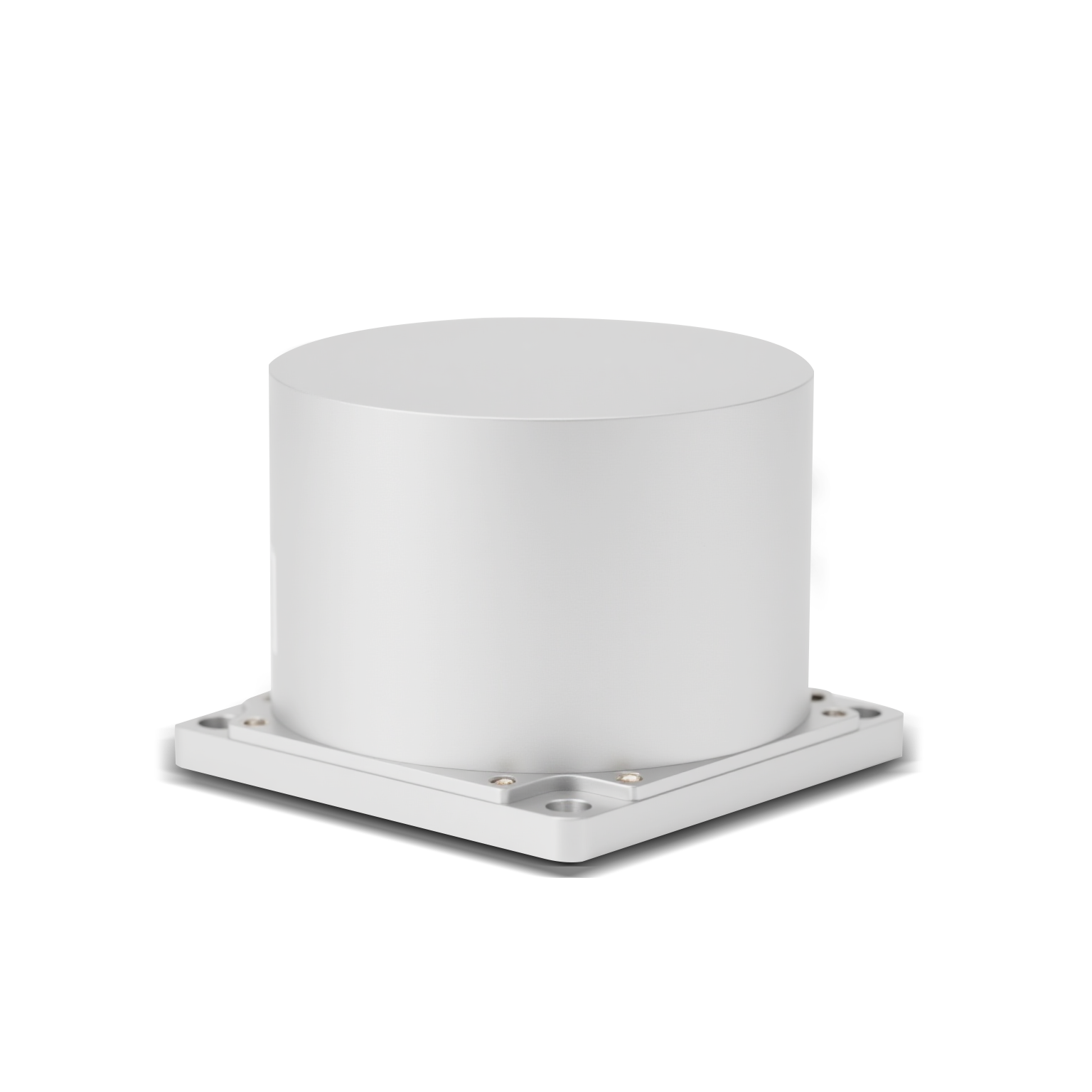 BSD50
BSD50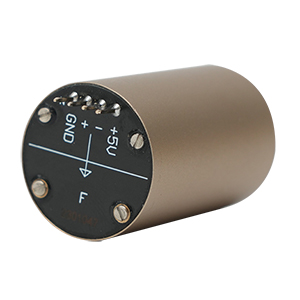 BSD217
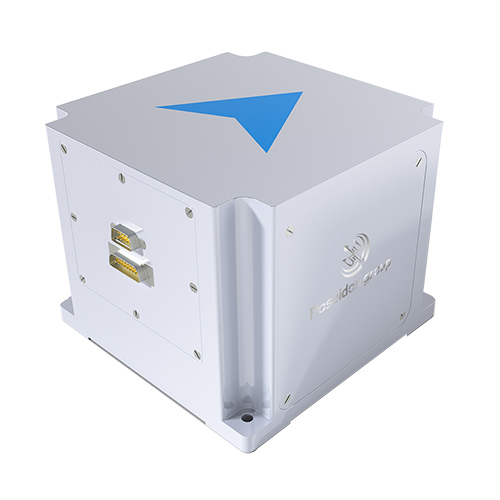 INS1700
 INS970
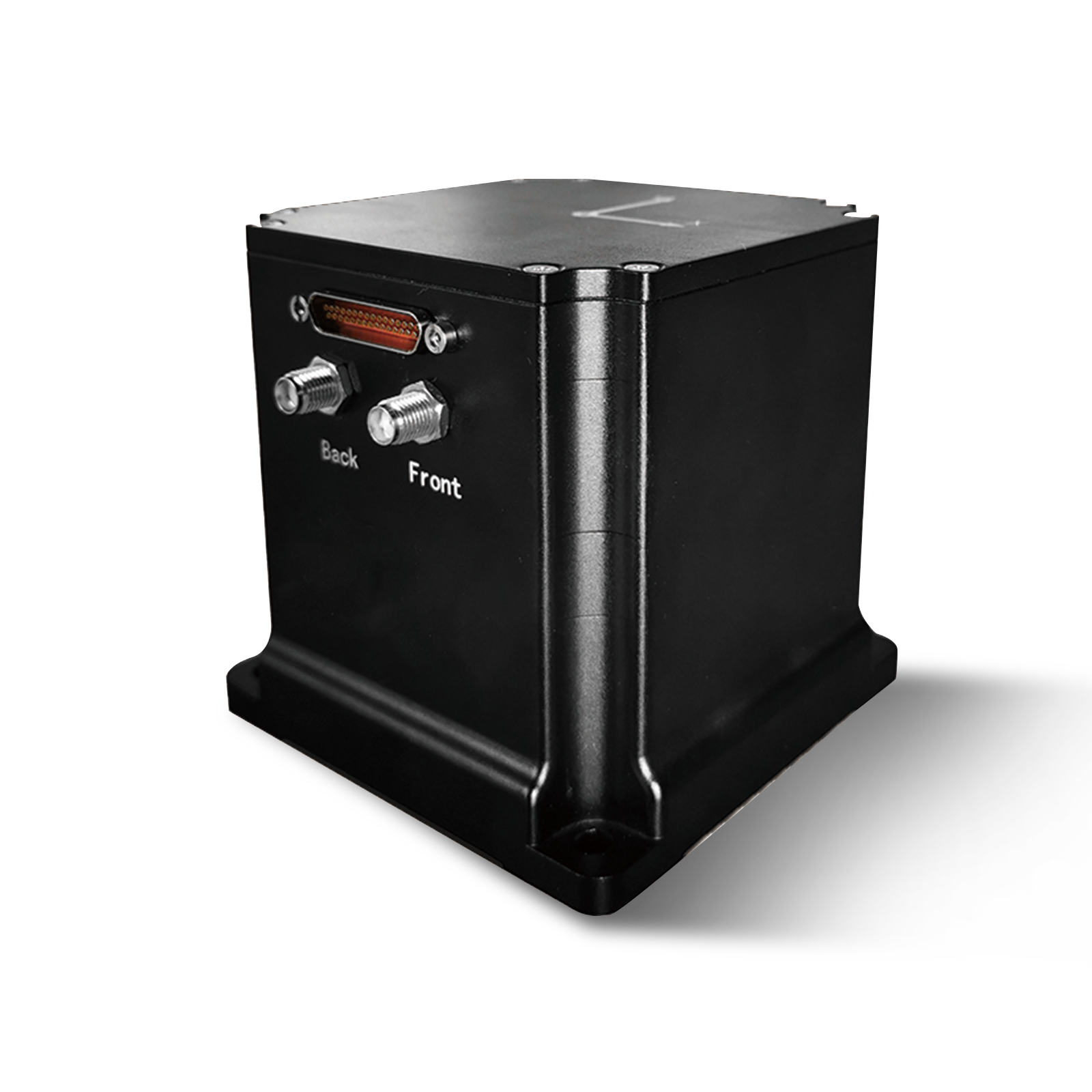 INS570
 INS170
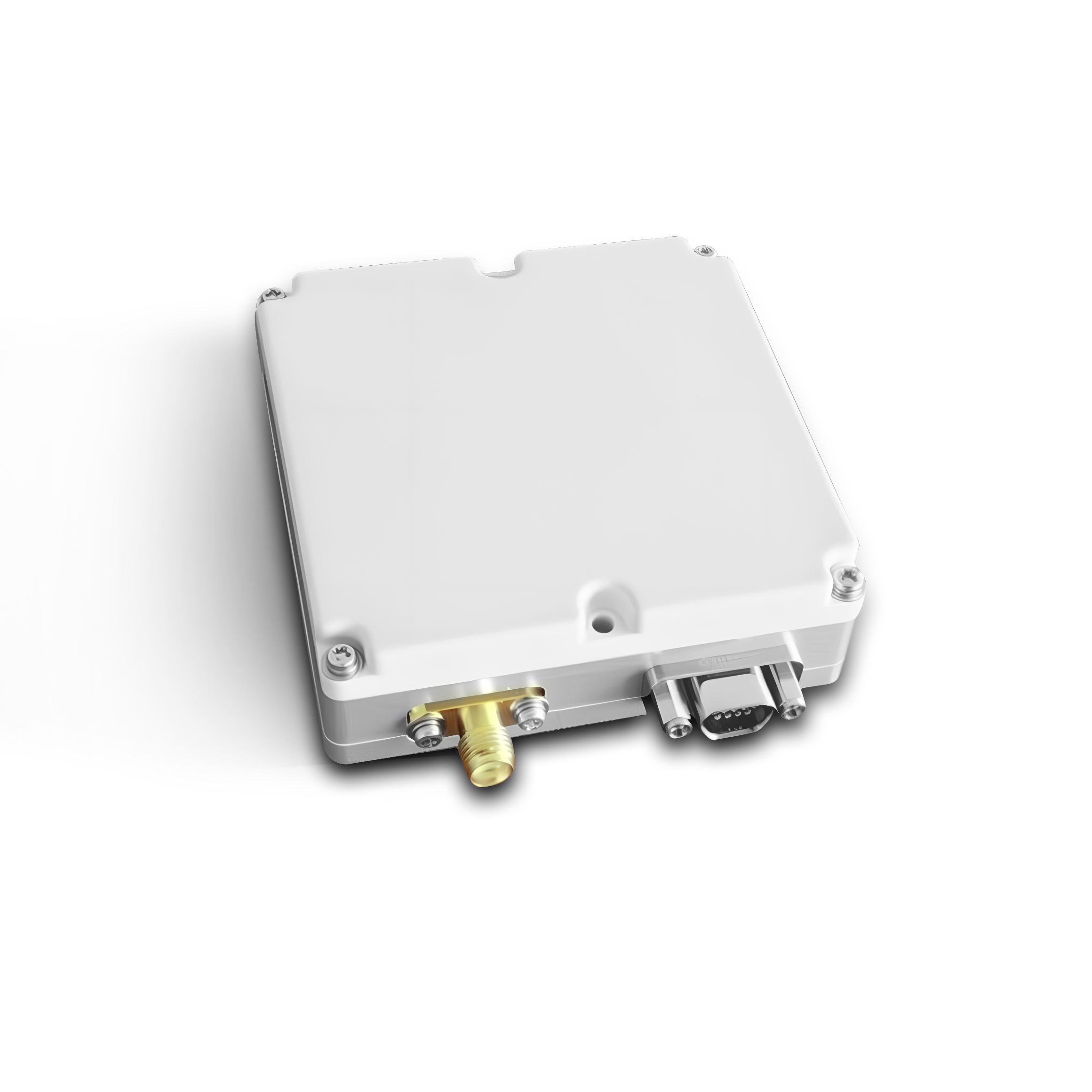 SLA-4B1L1-65
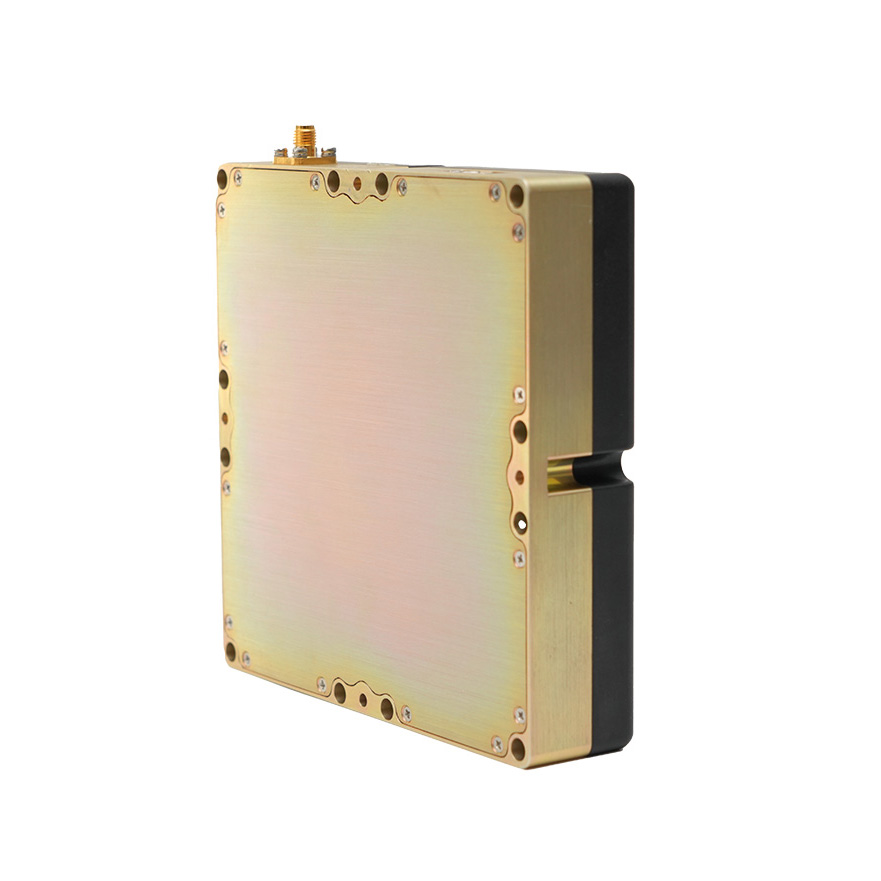 SLA-4B1L1-130
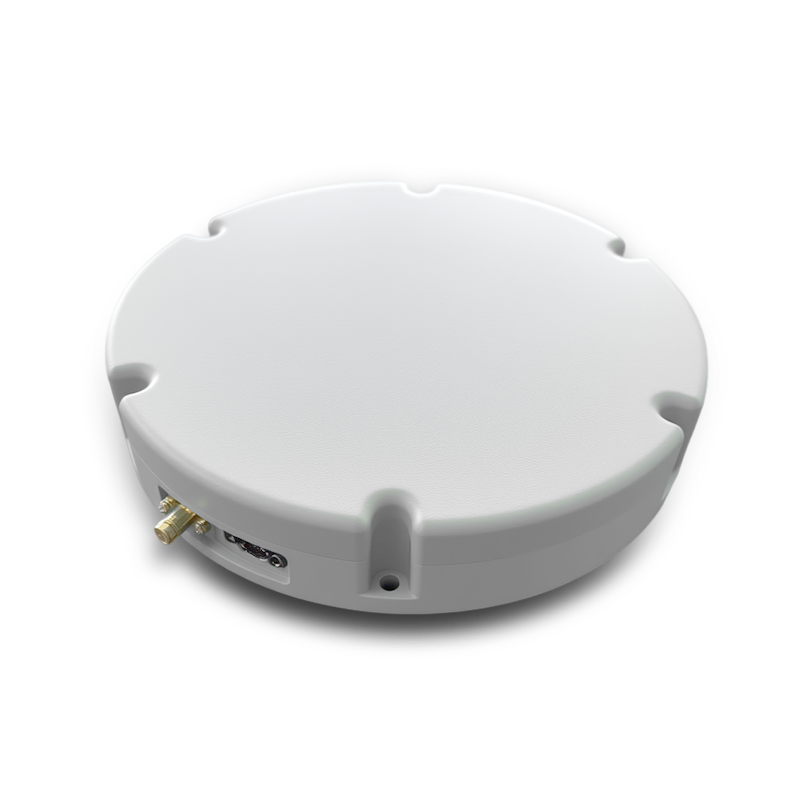 SLA-8B1L1-165
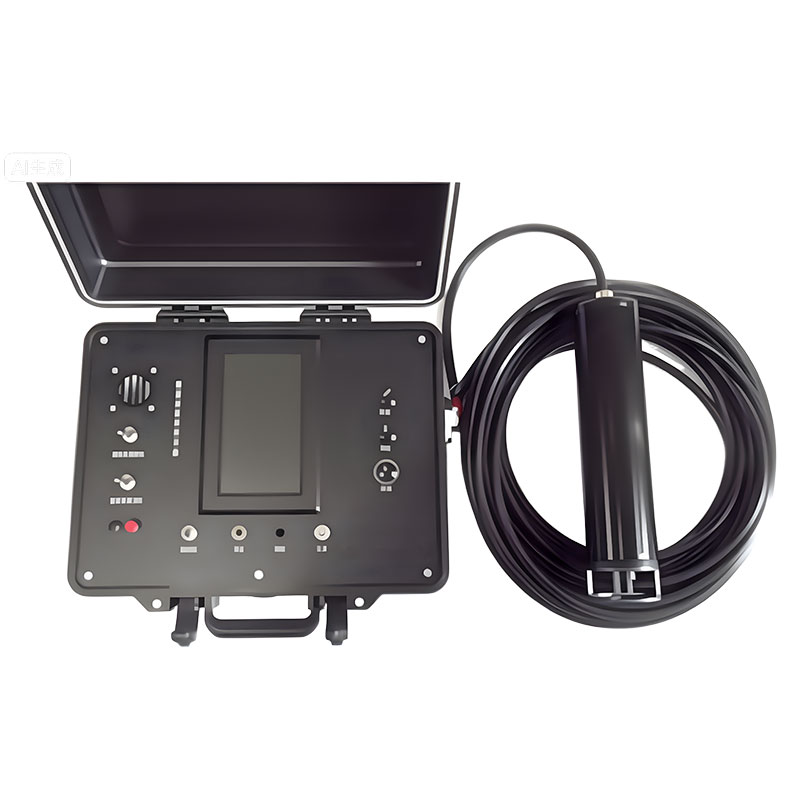 DIVER 101
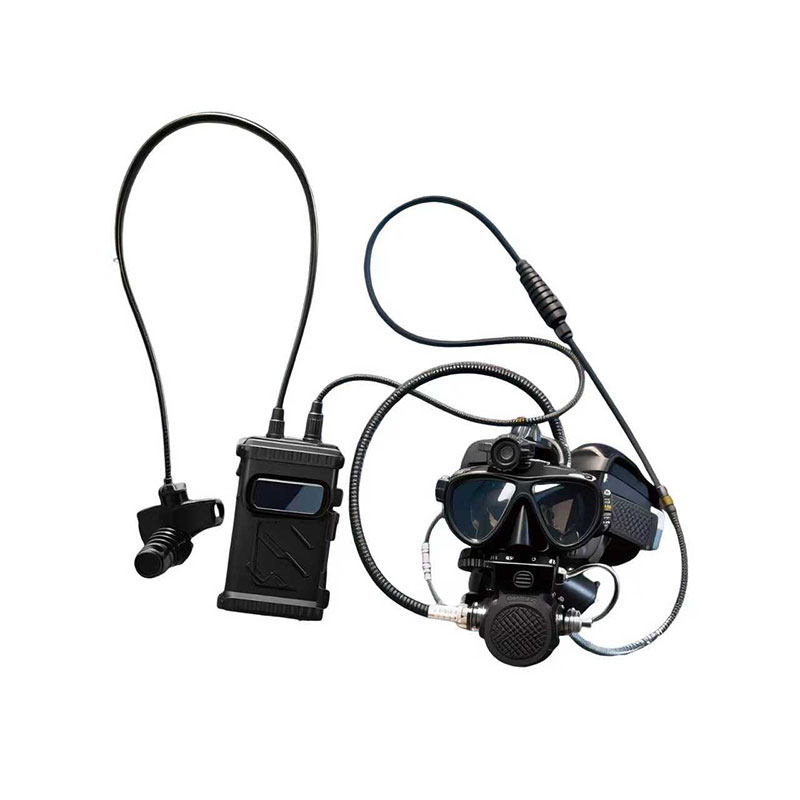 DIVER 102
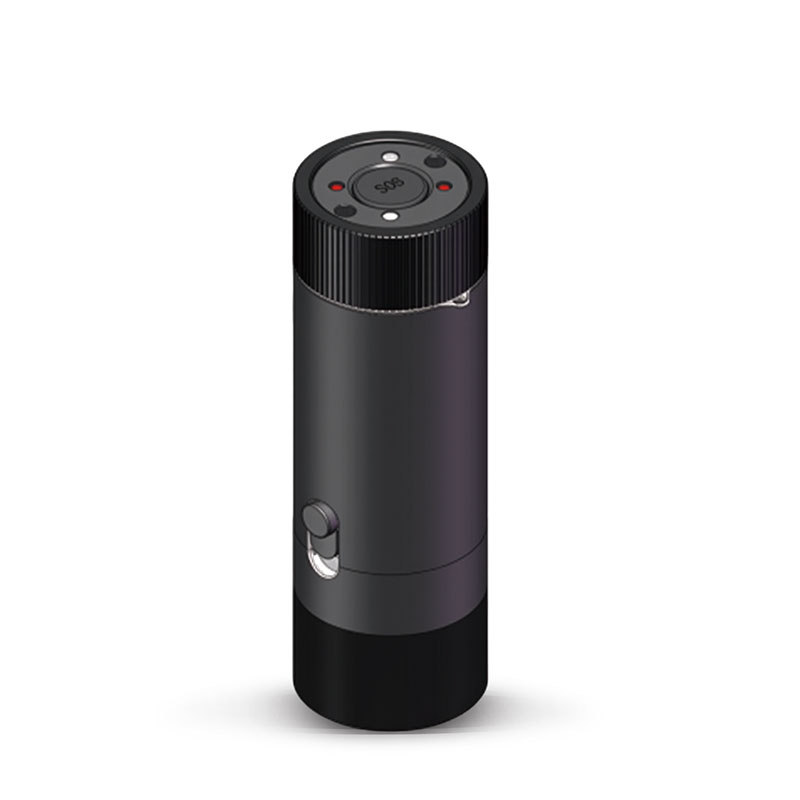 DIVER 103
 DIVER 104
 DIVER 105
 DIVER 106
 SLLR3000
 SLLR905
 SLLD25
 160M
160M 170M
170M SLFC-70
 SLAF280
 MR360
MR360