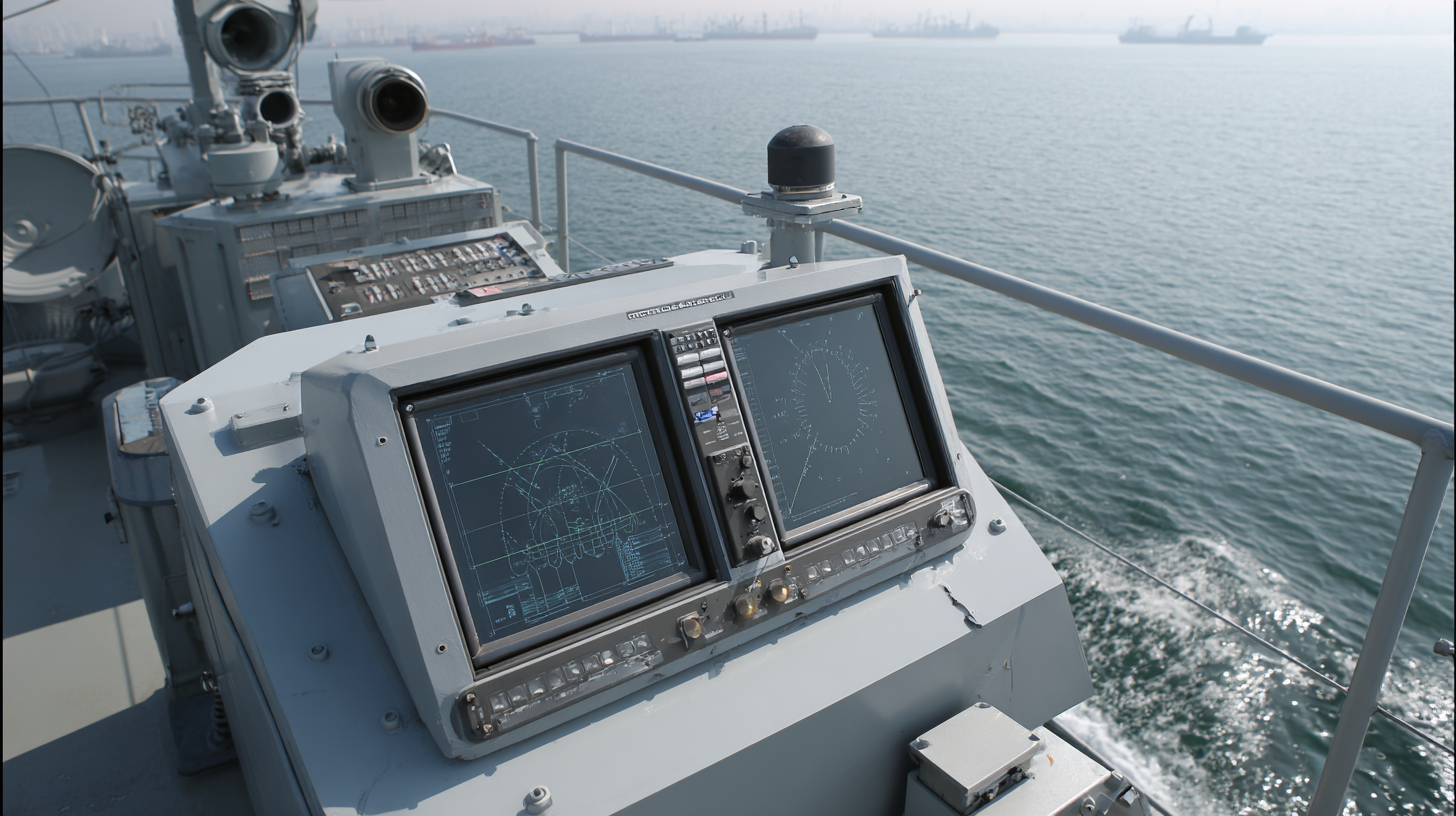
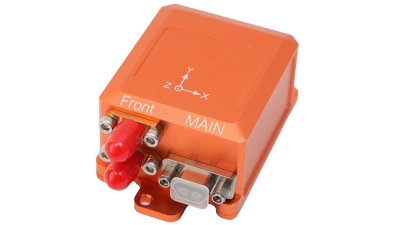
In today’s world, where being precise and dependable in navigation really matters, the Marine Inertial Navigation System has become a game-changer in the maritime industry.
Poseidon International Group (Hong Kong) Limited, which we started back in 2013, has really made a name for itself at the forefront of this cutting-edge field.
We focus on researching, designing, and making advanced navigation tech. Our team’s expertise covers fiber optic gyroscopes (FOG), inertial navigation systems (INS), attitude and control systems, and even autonomous driving tech—all protected by multiple patents.
As trust in Chinese engineering continues to grow globally, we're committed to international standards in our manufacturing.
That means our Marine Inertial Navigation System isn’t just meeting industry expectations—it’s actually setting new benchmarks when it comes to reliability and performance in maritime applications.
Overview of Marine Inertial Navigation Systems and Their Importance
Marine Inertial Navigation Systems, or INS for short, are pretty much the backbone when it comes to navigating underwater. They rely on a mix of accelerometers and gyroscopes to help pinpoint where you are with decent precision. These systems are super important in a bunch of situations—whether you're in commercial shipping, military operations, or any deep-sea exploration. What makes them stand out is their independence from external signals, like GPS, which isn’t always reliable or even available down there. That means they’re a real safety net, keeping your navigation accurate even in tricky, complex marine environments.
When you're choosing an INS for your vessel or project, it's good to keep an eye on things like how accurate it is, its drift rate over time, and how well it works with other navigation tools you might have. The right setup can really boost efficiency and cut down on those annoying errors that can happen at sea. Also, don’t forget that regular maintenance and calibration are key—especially when conditions are rough and challenging.
Here’s a little tip: train your team well on how to use and interpret the INS. Knowing the ins and outs can make a huge difference in tight spots. And one more thing—stay in the loop with the latest updates in INS tech. New advancements are happening all the time, and keeping up means your navigation stays sharp and reliable.
Basically, investing some time and effort into understanding and maintaining these systems can make all the difference for safe, accurate underwater navigation.
Global Trust in Chinese Engineering with the Best Marine Inertial Navigation System - Overview of Marine Inertial Navigation Systems and Their Importance
| Characteristic |
Details |
| System Type |
Marine Inertial Navigation System (MINS) |
| Accuracy |
High precision (
|
| Gyroscope Type |
Micro-electromechanical System (MEMS) gyroscopes |
| Integration |
Integrated with GPS and other sensors |
| Applications |
Commercial shipping, military vessels, offshore drilling, research ships |
| Advantages |
Real-time positioning, low drift rate, operates in GPS-denied environments |
| Limitations |
Cost, complexity of integration, maintenance requirements |
| Market Growth Rate |
Estimated CAGR of 6.5% (2023-2030) |
| Trusted By |
Numerous global maritime operators and defense agencies |
Key Features of Different Types of Marine Inertial Navigation Systems
The development of marine inertial navigation systems, or INS for short, has really changed the game in marine engineering. These systems offer pretty precise and reliable navigation, which is a huge deal, especially since they don’t rely on external signals. You know how sometimes GPS can get spotty out at sea? Well, INS can keep guiding you without a hitch. According to some reports from MarketsandMarkets, the global market for marine INS is expected to jump from around $1.2 billion in 2020 to nearly $2.9 billion by 2025—kind of an almost 19% yearly growth rate. That’s pretty impressive, right?
Now, there are different types of marine INS tailored for different needs. For example, fiber-optic gyroscope (FOG) systems are known for their super high accuracy and dependability. They’re perfect for submarines and ships operating in tough conditions. On the other hand, MEMS INS—those tiny micro-electromechanical systems—are praised for being small and budget-friendly, making them great for smaller boats or drones. A study from Research and Markets points out that more and more folks are adopting MEMS tech in the marine world. That shift could mean better functionality and lower operating costs down the line.
Looking ahead, things are looking really promising. Thanks to upgrades in sensor tech and data processing power, the future of marine INS is bright. They’re even starting to incorporate artificial intelligence and machine learning, which should make these navigation systems smarter and more adaptable. And it’s pretty exciting to see Chinese engineering really stepping up with big investments and innovative ideas—this is definitely helping them carve out a solid spot in the global market.
Applications of Marine Inertial Navigation Systems in Various Industries
Marine Inertial Navigation Systems, or INS for short, have really become game-changers across different industries these days. They boost how accurately ships and submarines can navigate, which in turn makes operations smoother and more efficient. Interestingly, the global market for these marine navigation systems is expected to hit about $6.1 billion by 2025. It’s growing at a pretty solid pace—around 7.5% annually from 2020 to 2025, according to MarketsandMarkets. A big reason for this boom? There’s a growing need for cutting-edge positioning tech in commercial shipping, offshore oil and gas work, and underwater research efforts.
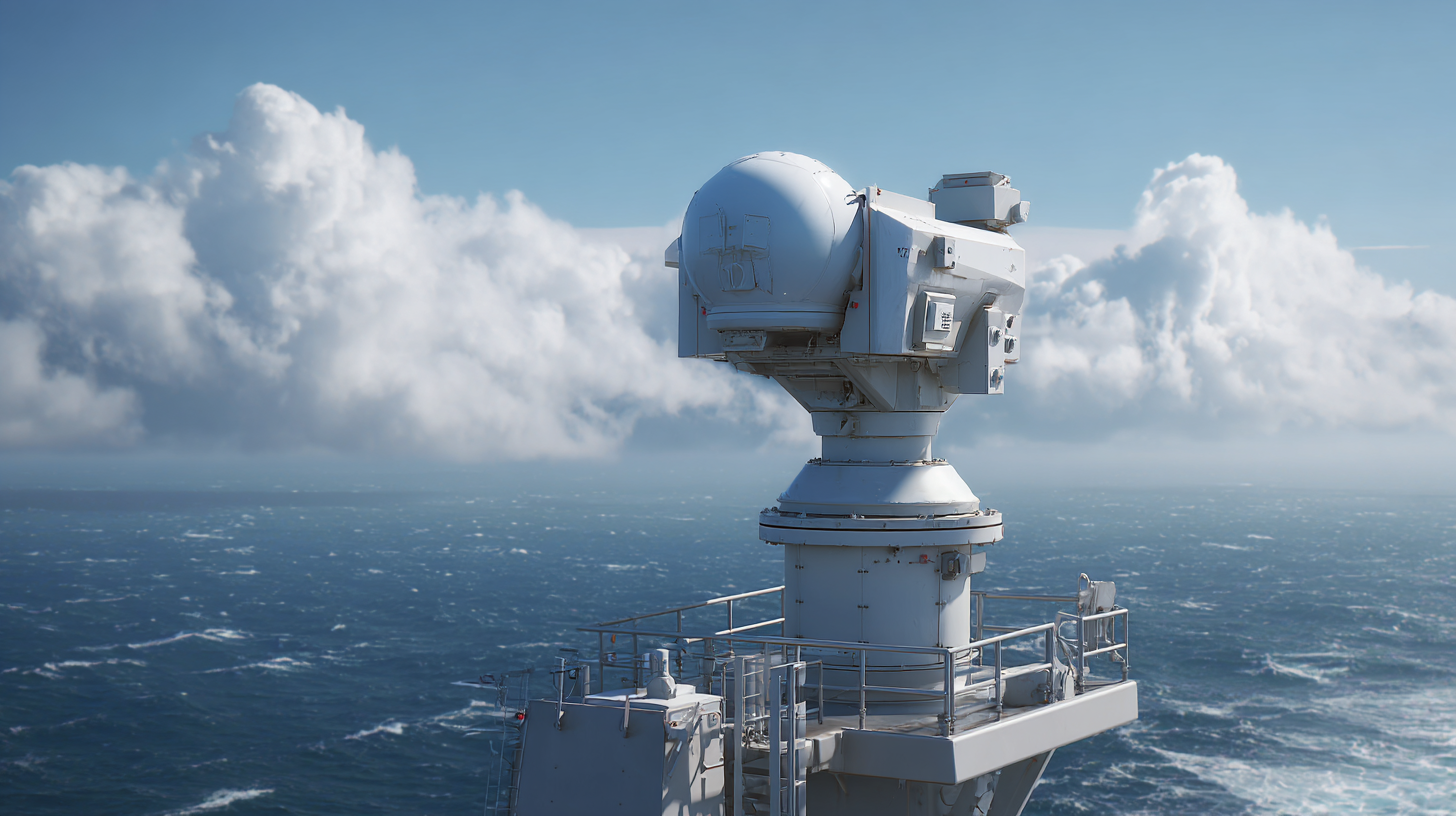
In ships and cargo vessels, knowing exactly where you are isn’t just nice to have — it’s pretty much essential for planning the best routes and cutting down costs. The International Maritime Organization points out that using more precise navigation tools can slash fuel use by up to 15%. That’s not only saving a ton of money but also helping cut down on environmental impact. On top of that, in offshore oil and gas operations, marine INS helps companies keep a close eye on their underwater facilities, making operations more efficient and cutting down on downtime. And with autonomous vessels becoming more of a thing, the way we incorporate INS into these smart ships is likely to revolutionize maritime logistics, making everything safer and much more efficient overall.
How to Select the Right Marine Inertial Navigation System for Your Needs
Picking the right marine inertial navigation system, or INS for short, really matters when it comes to keeping ships safe and running smoothly. When you're shopping around for an INS, it’s important to think about what your vessel needs and what kind of mission you're on. Funny enough, a recent market report from Research and Markets says the global marine INS market is expected to jump from $1.5 billion in 2022 up to $2.5 billion by 2026—mainly thanks to tech improvements and the growing demand for pinpoint accuracy out at sea. So, don’t forget to check how accurate the system is, how much it drifts over time, and whether it’s built to handle the specific environmental conditions where your ship will be sailing.
Here are a couple of tips: First off, always go for systems that have built-in redundancy. Trust me, it’s a lifesaver in critical situations. Also, make sure it plays nicely with other navigation gear you’re using, like GPS and sonar, so everything works together seamlessly.
And don’t forget, your choice of INS should also meet the industry standards relevant to your work. For example, the certifications you need for commercial shipping might be totally different from those required for research or defense. Plus, pay attention to performance details from the manufacturer—things like latency and how often the system updates—since these really impact how well your navigation stays accurate during operations.
Future Trends in Marine Inertial Navigation Technology and Innovations
The world of marine inertial navigation tech is changing super fast right now, and it's all thanks to some pretty exciting innovations and an increasing need for precision in maritime operations. As international shipping keeps growing and ships start to embrace automation, having really accurate navigation tools becomes more important than ever. Looking ahead, it seems like we’re heading toward a future where AI and machine learning play a big role — making these systems smarter, more efficient, and more reliable. These advanced techs can crunch huge amounts of data on the fly, helping crews make better decisions and keeping our seas safer overall.
And get this — the sensors are getting way smaller and more compact. That means they can be installed on pretty much any kind of vessel, from big commercial ships to those cool little remotely operated underwater drones. This miniaturization trend isn’t just about saving space — it also makes these systems more affordable and versatile.
Oh, and with the rise of IoT (that’s Internet of Things), ships and systems will be more connected than ever, sharing navigational data in real-time. This creates a sort of network where vessels can operate with crazy-high situational awareness and pinpoint precision. As all these tech improvements roll out, China’s engineering prowess in marine inertial navigation is only going to get more recognition, helping shape a smarter, more connected maritime future for everyone.
Global Standards and Certifications for Marine Inertial Navigation Systems
When it comes to navigating the oceans, global standards and certifications really make a huge difference in keeping inertial navigation systems reliable and safe. You know, as these high-tech systems become more integrated into both military and commercial ships, there's a strong push to adopt safety standards like DO-178B and DO-254. These rules don’t just make the development process smoother—they also give users peace of mind, knowing that these systems are solid and ready to perform when it really counts, especially in critical maritime scenarios.
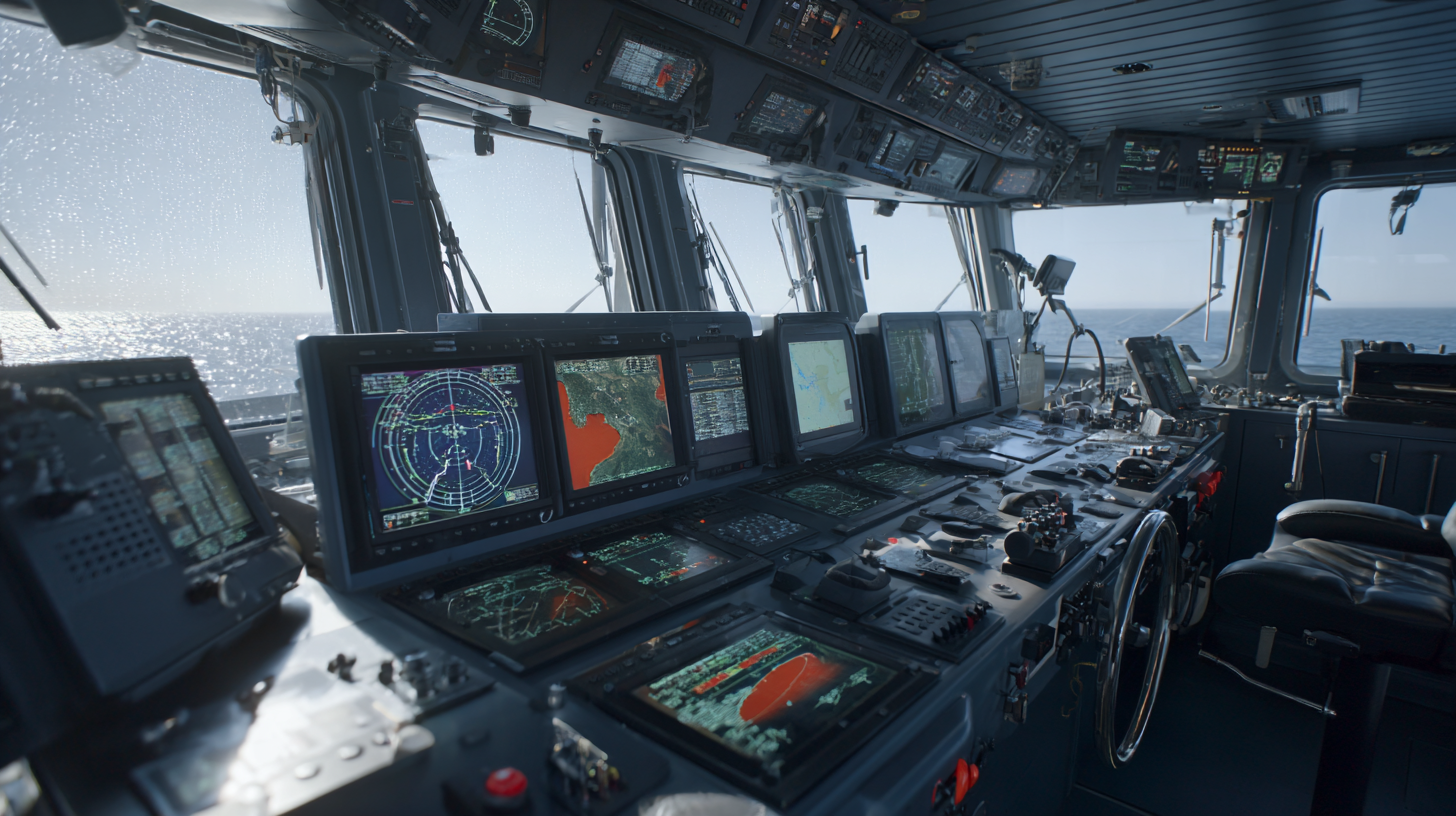
And here’s the exciting part—industry experts are expecting the market for tactical inertial systems to grow significantly, hitting around 8 billion USD by 2035. That kind of growth just highlights how much demand there is for the latest and greatest in marine navigation tech. It’s pushing innovation forward and helping set higher standards across the board. As these standards start to become more unified across different sectors, it creates a whole lot more trust and makes it easier for the newest advancements in inertial navigation to be adopted.
All of this means that modern naval operations can rely on systems that are not just good on paper but truly ready to meet today’s challenging maritime environment.
Harnessing the Future: Insights from Industry Reports on Micro Electro Mechanical System 160M Applications and Market Trends
In recent years, the micro electro mechanical systems (MEMS) industry has experienced remarkable growth, driven by the increasing demand for compact and high-performance devices across various applications. According to the latest industry reports, MEMS technology is projected to achieve a compound annual growth rate (CAGR) of 10% through 2028, particularly in navigation and sensing applications. This growth is fueled by the rising adoption of MEMS navigation systems, which are highly valued for their unparalleled accuracy and lightweight designs.
Among the notable advancements in MEMS technology are navigation products that boast a heading accuracy of just 0.1° and an attitude measurement precision of 0.1°. These tiny sensors are not only small in size but also exceptionally lightweight, making them ideal for integration into various devices, from drones to wearable technology. The miniaturization of MEMS products has opened up new markets and applications, fueling further innovation and investment in the sector. As industries continue to explore and harness the potential of MEMS, the landscape of sensing and navigation will undoubtedly evolve, shaping the future of how we interact with technology.
With these advancements, MEMS navigation products are poised to play a pivotal role in the development of autonomous systems, robotics, and smart devices. As highlighted in recent reports, the expanding market for MEMS devices represents a key trend, indicating not only a shift towards more efficient technologies but also an opportunity for businesses to leverage these cutting-edge solutions for competitive advantage.
FAQS
: Marine Inertial Navigation Systems are advanced navigation technologies that utilize accelerometers and gyroscopes to provide precise positioning for underwater navigation.
They are crucial because they can operate without external signals, making them reliable in situations where GPS is unavailable or unreliable, thus enhancing safety and accuracy in complex marine environments.
Important factors include accuracy, drift rate, and how well the system integrates with other navigational tools to improve operational efficiency and reduce navigational errors.
Regular maintenance and calibration are necessary to ensure optimal performance, especially in challenging marine conditions.
Investing in training can enhance operational effectiveness and improve decision-making, particularly in high-pressure situations.
Various industries, including commercial shipping, offshore oil and gas exploration, and underwater research, benefit from the enhanced accuracy and operational efficiency provided by Marine INS.
Accurate navigation can optimize routes and reduce operational costs, potentially leading to fuel savings of up to 15%, thereby reducing financial costs and environmental impact.
Innovations in Marine INS technology are anticipated to continuously improve accuracy and reliability, especially with the rise of autonomous vessels poised to revolutionize maritime logistics.
The global market for marine navigation systems is projected to reach $6.1 billion by 2025, growing at a CAGR of 7.5% from 2020 to 2025.
Marine INS enhances subsea operations by enabling efficient monitoring and management of field integrity, which minimizes downtime and improves overall operational efficiency.

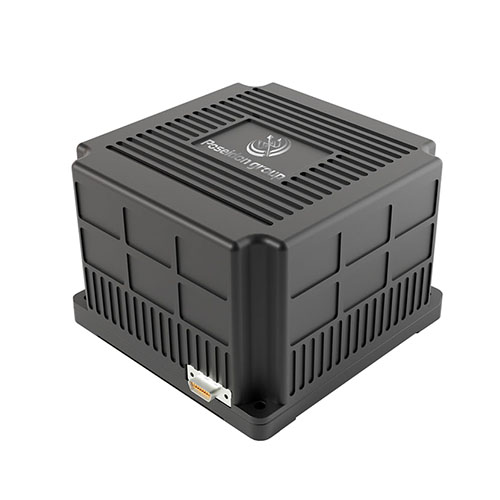 TBSD60
 BSD120
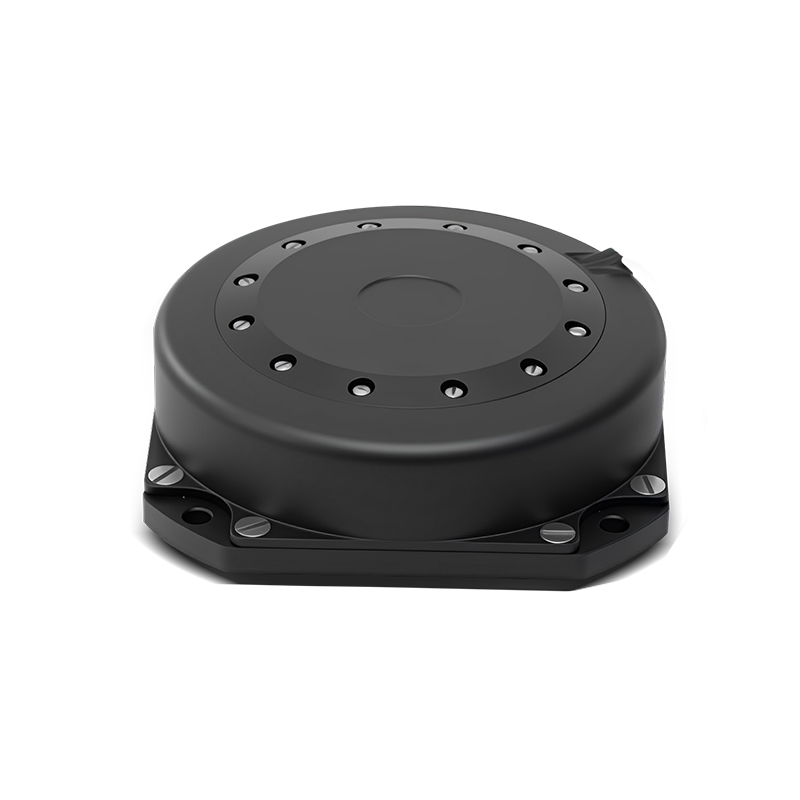 BSD98
BSD98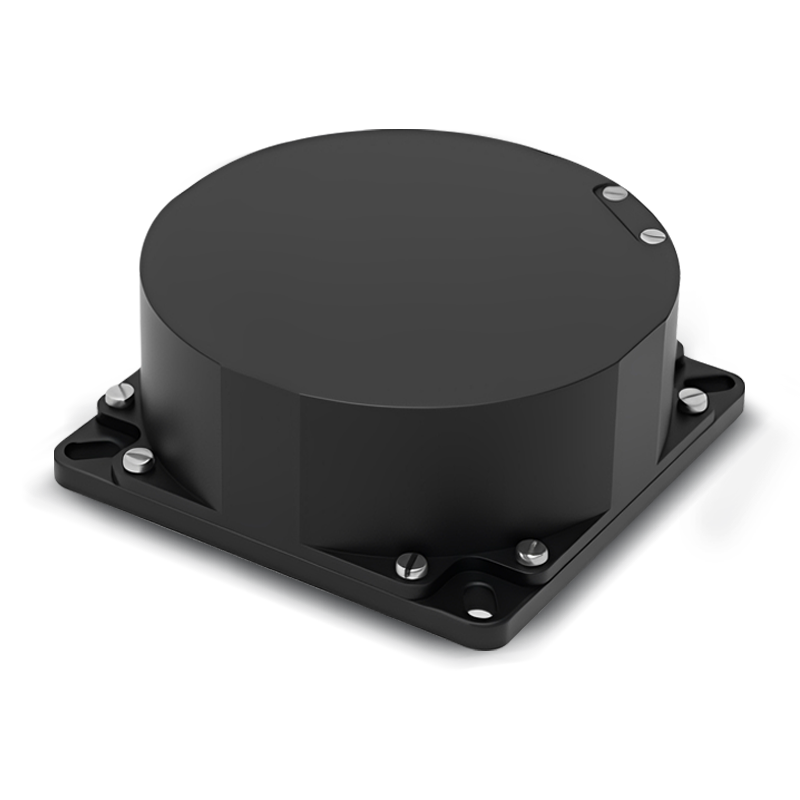 BSD70
BSD70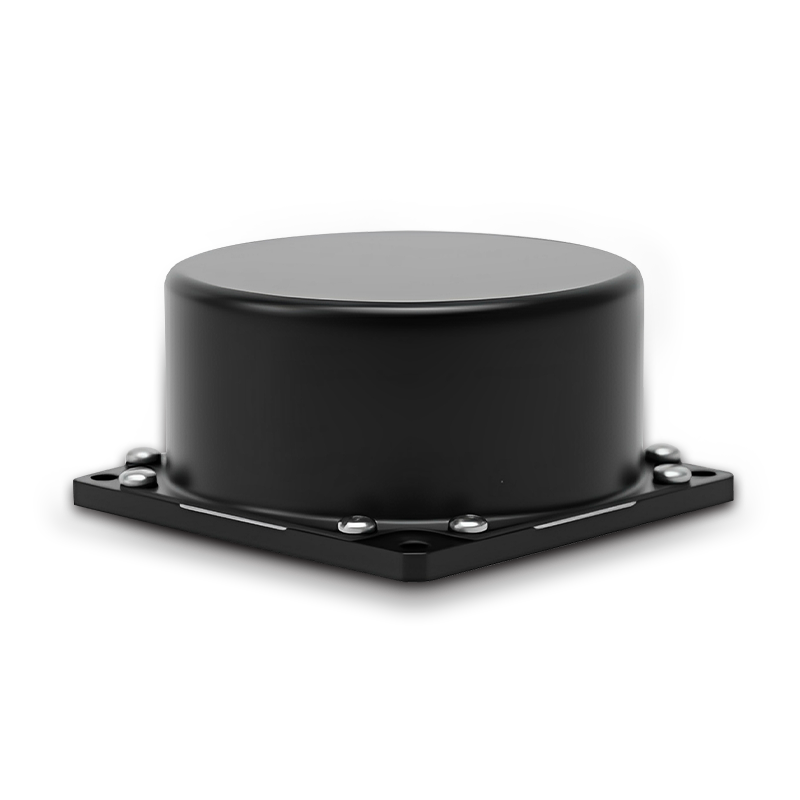 BSD60
BSD60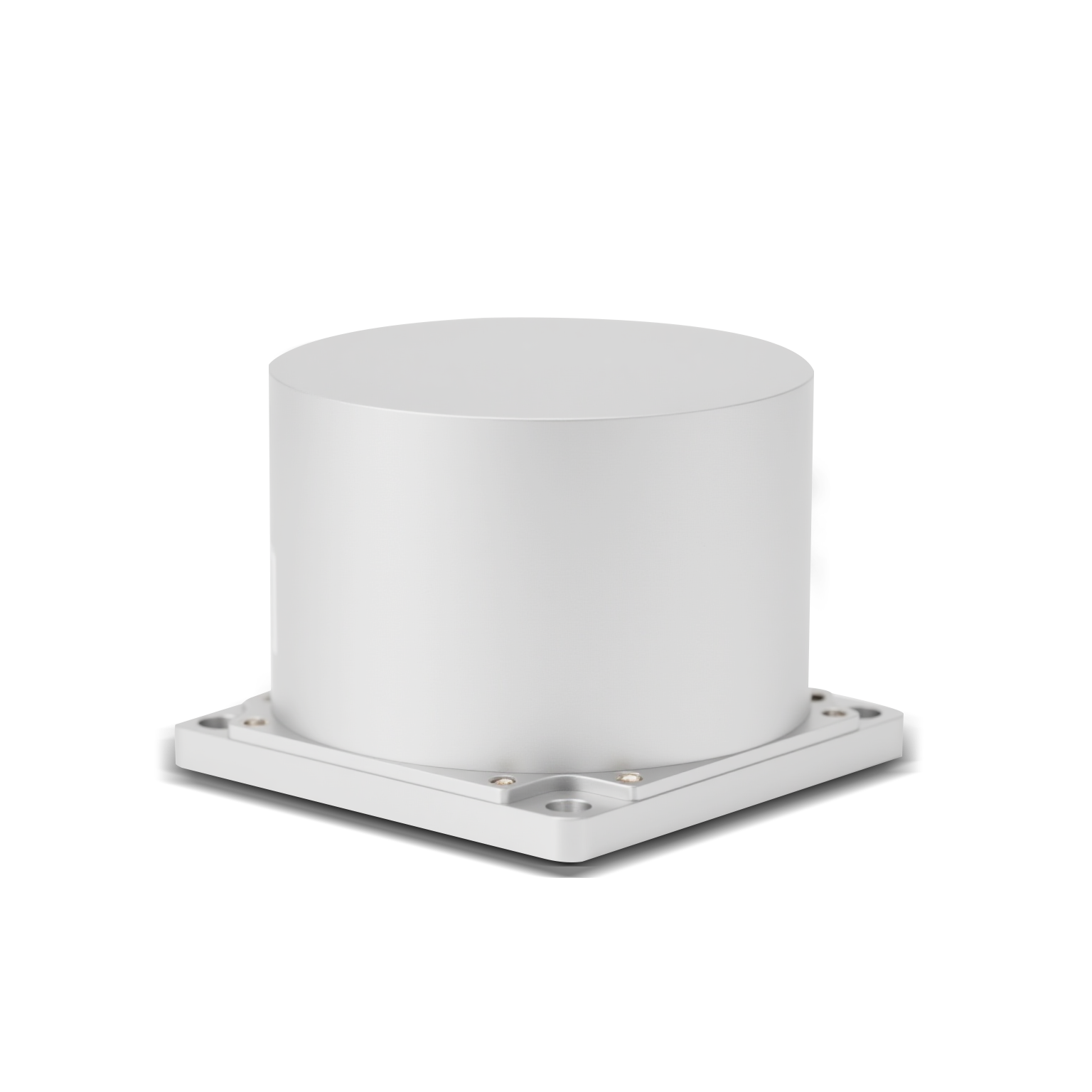 BSD50
BSD50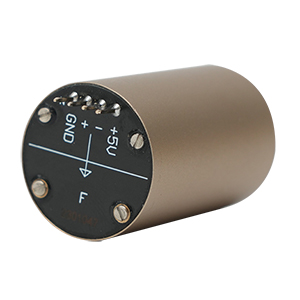 BSD217
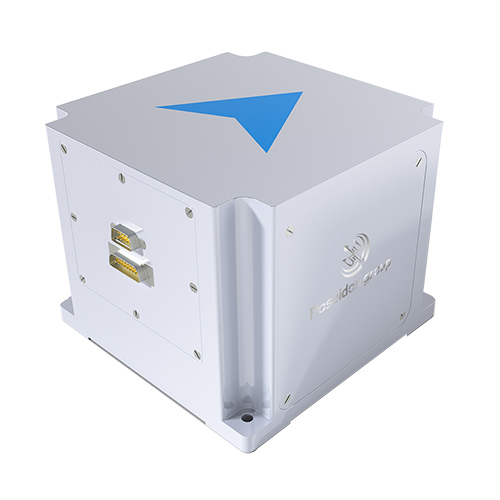 INS1700
 INS970
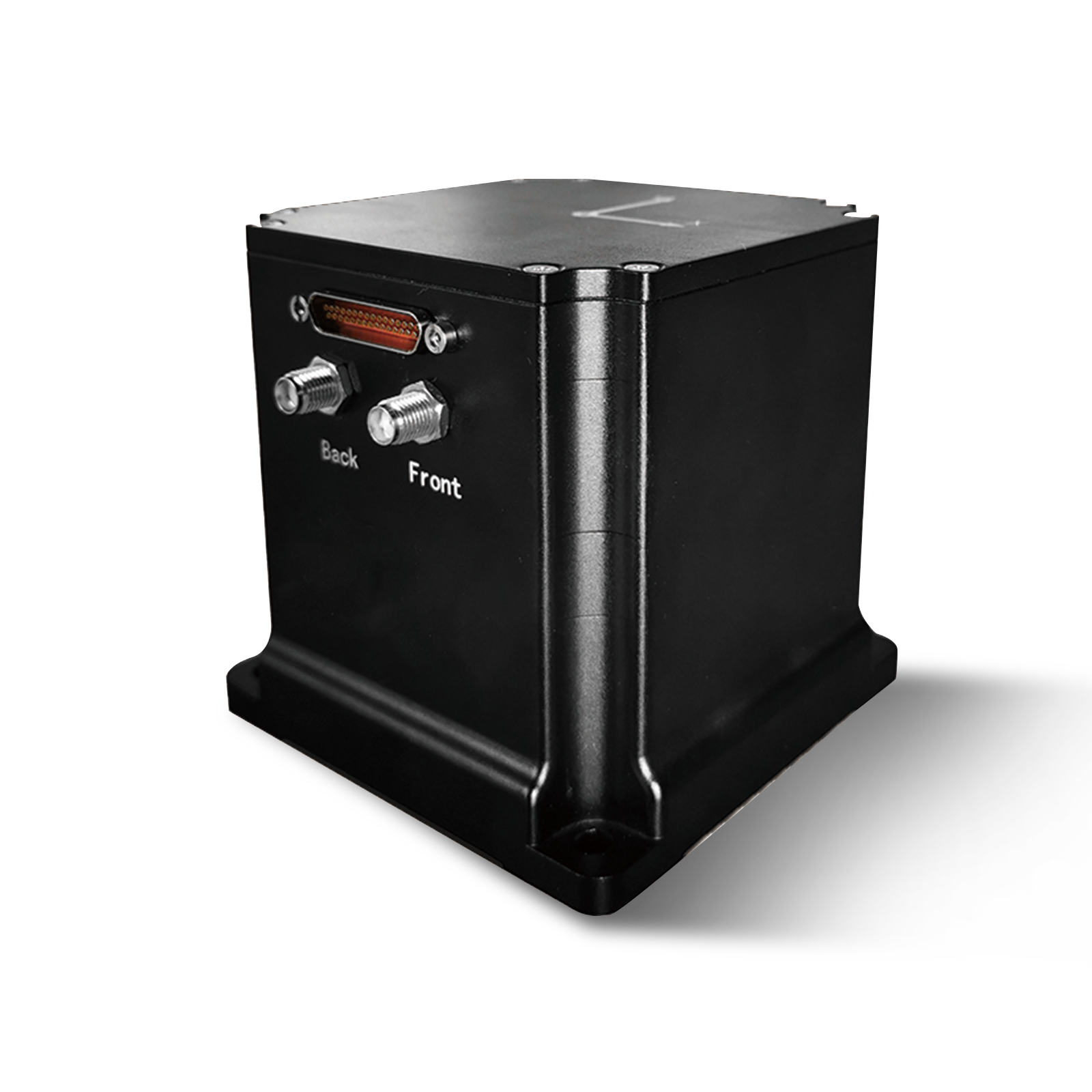 INS570
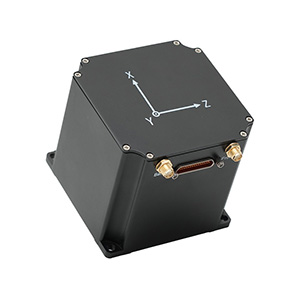 INS170
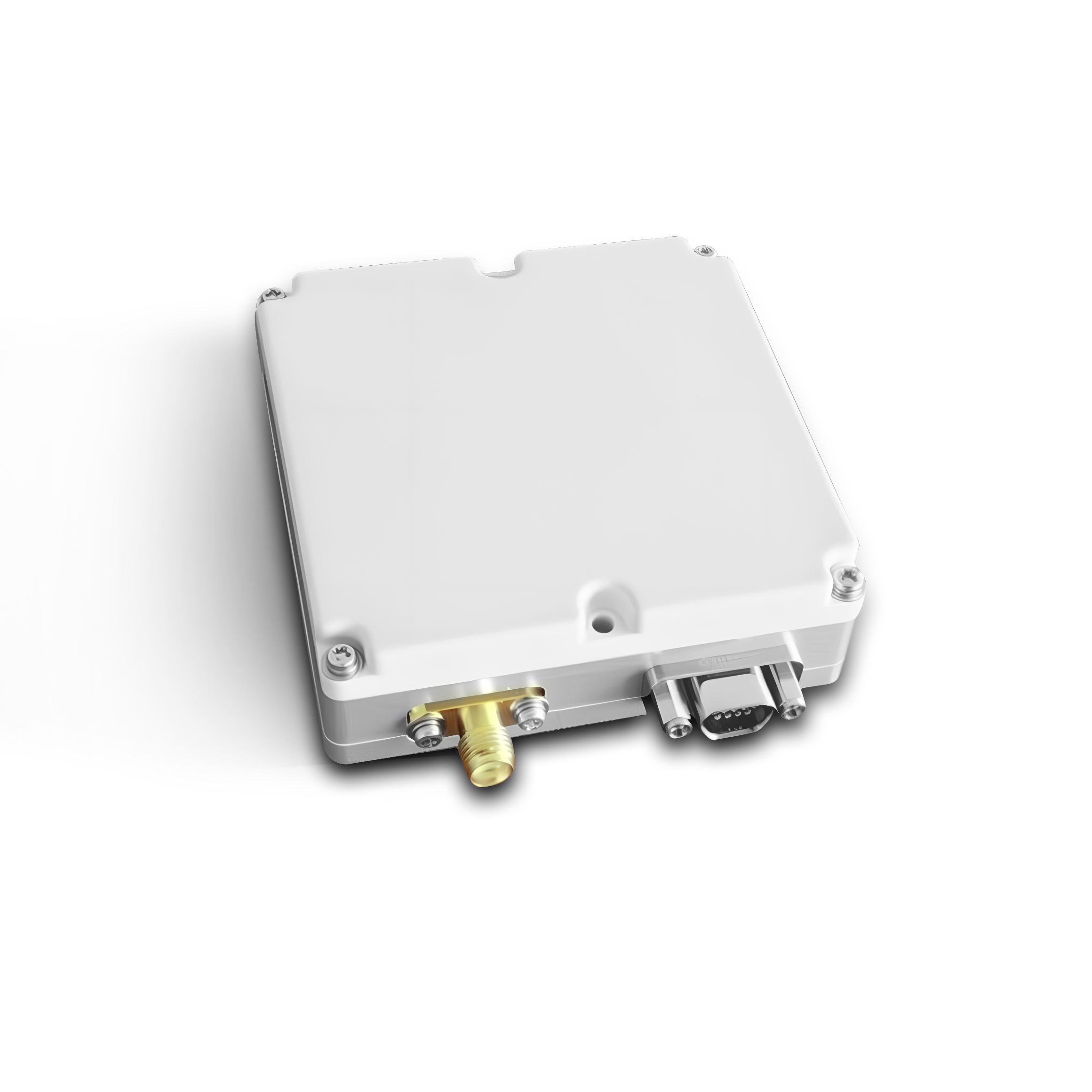 SLA-4B1L1-65
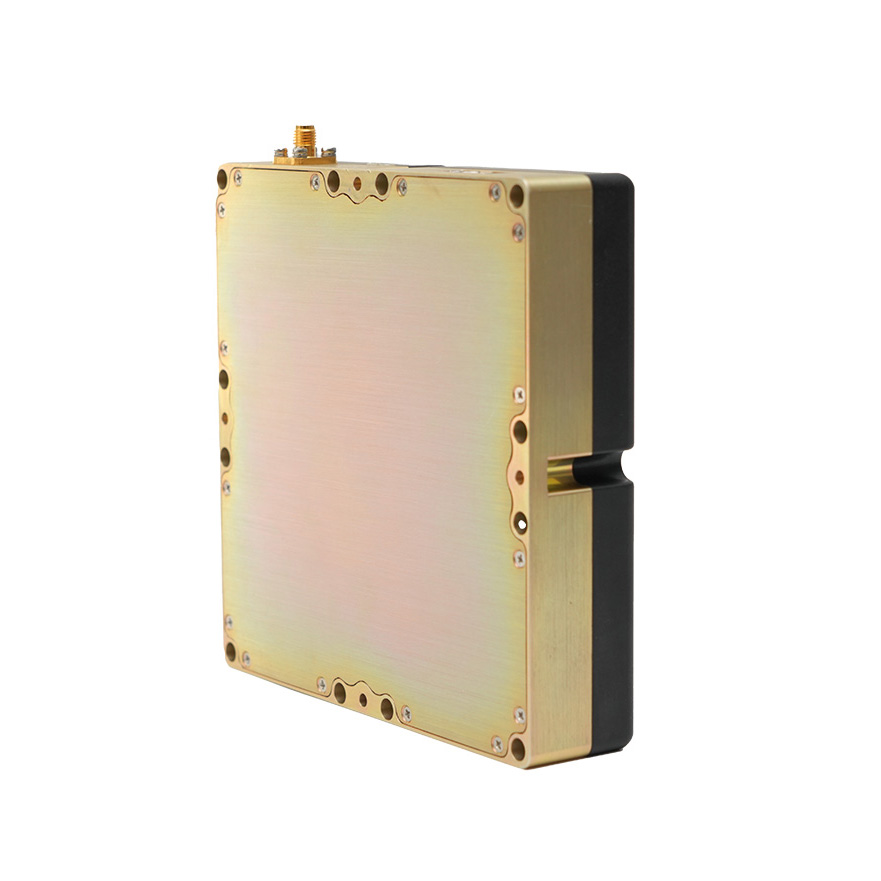 SLA-4B1L1-130
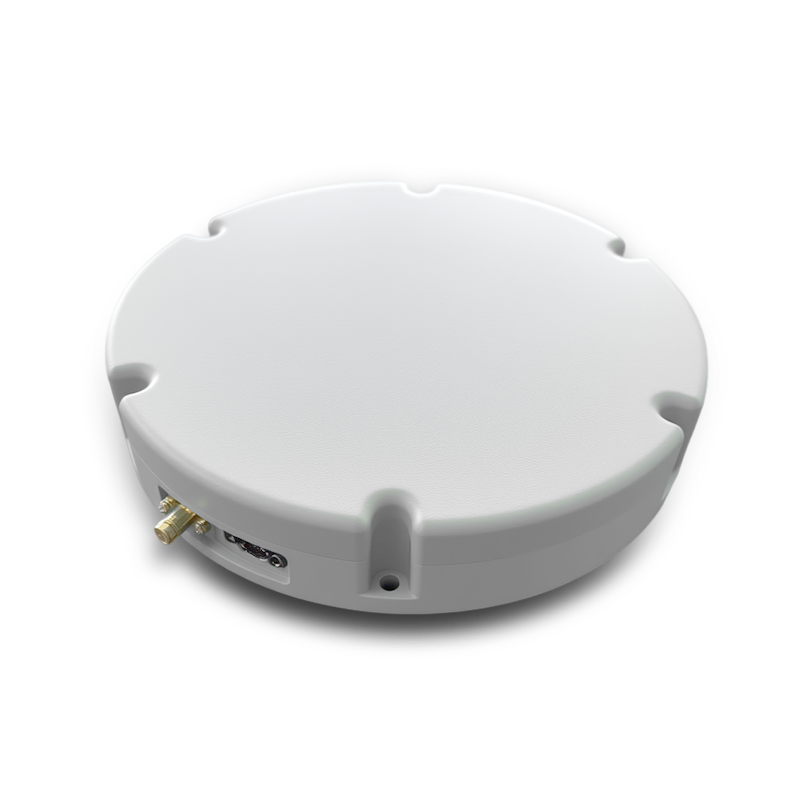 SLA-8B1L1-165
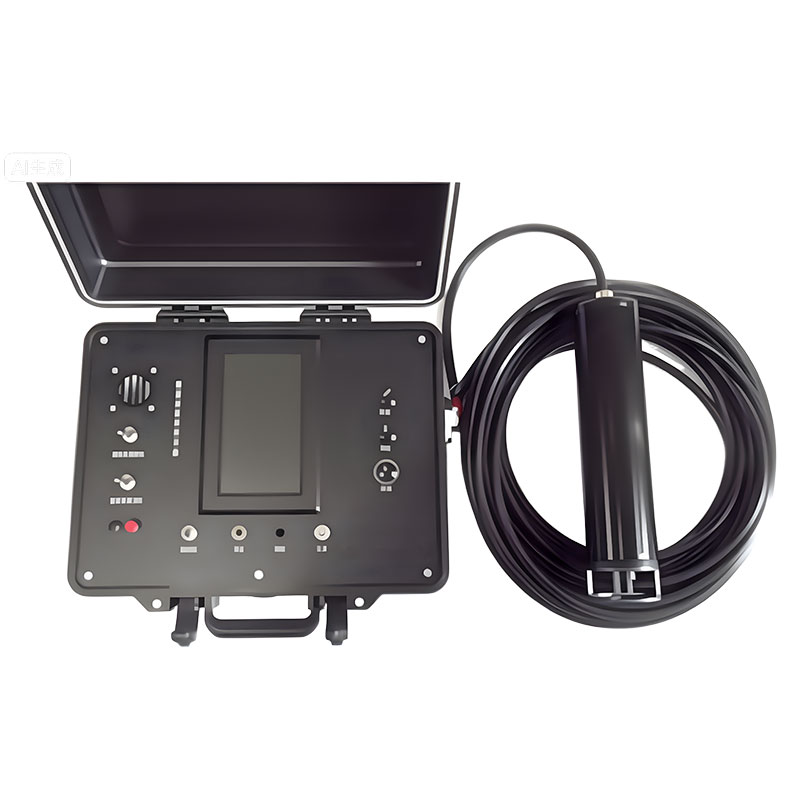 DIVER 101
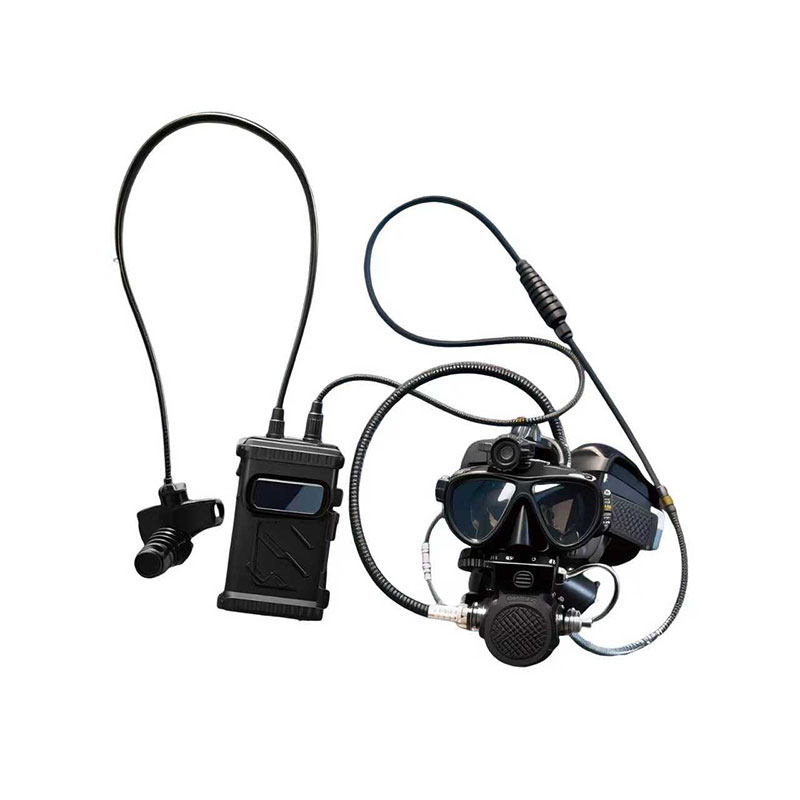 DIVER 102
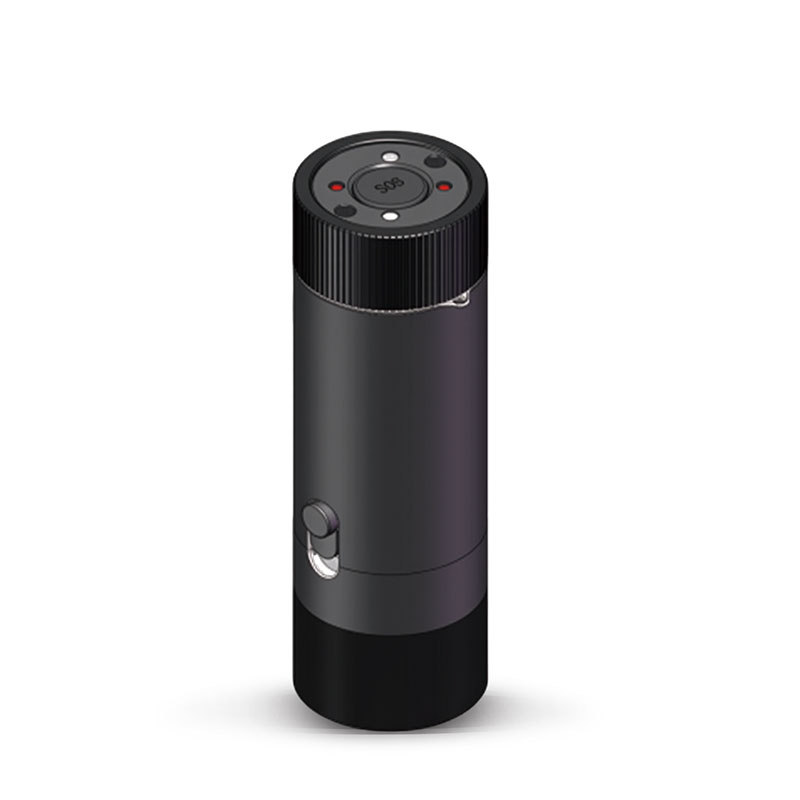 DIVER 103
 DIVER 104
 DIVER 105
 DIVER 106
 SLLR3000
 SLLR905
 SLLD25
 160M
160M 170M
170M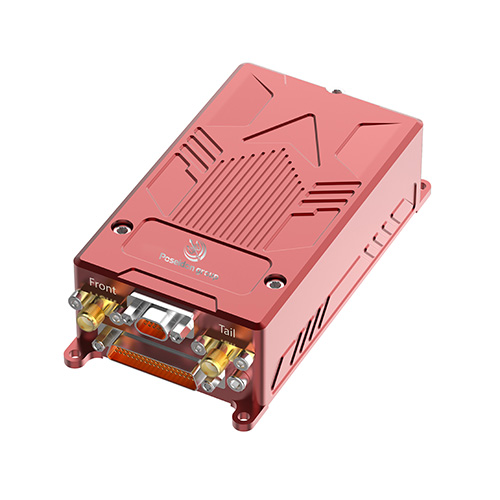 SLFC-70
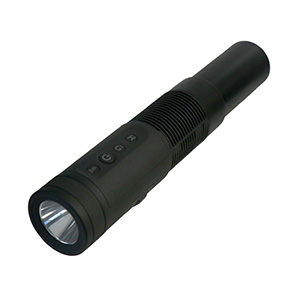 SLAF280
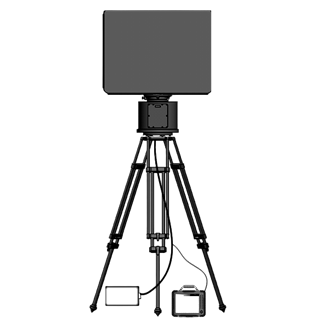 MR360
MR360