As the aviation world keeps evolving, the need for more advanced navigation systems is really growing. One crucial component is the Air Data Inertial Reference System (or ADIRS for short). It’s basically the backbone for precise navigation. Companies like XYZ Technologies are pretty focused on making these systems more affordable—without sacrificing quality, of course. Looking ahead to 2026, it seems like the most promising ODM solutions will be all about balancing cost with performance.
These systems gather all the vital data—things like airspeed, altitude, and orientation—and then work smoothly with other avionics. But, to be honest, developing a really reliable ADIRS isn’t exactly a walk in the park. Some manufacturers might try to cut corners to save a buck, but that can cause inaccuracies or delays in navigation—both of which are seriously critical issues when you're flying.
So, finding that sweet spot between affordability and dependability is key. The future of ADIRS depends on clever design and thorough testing. Industry folks really need to step back and think about their practices—after all, safety and trust are everything. Getting to those top-notch ODM solutions isn’t always a simple road, but it’s absolutely essential for pushing aviation technology forward.

Overview of Air Data Inertial Reference Systems
Air Data Inertial Reference Systems (ADIRS) play a crucial role in aviation. They provide vital information for navigation, including altitude, speed, and acceleration. With advanced technology, these systems improve flight safety and efficiency. Accurate air data is essential for pilots and flight control systems.
In recent years, the demand for cost-effective ADIRS has increased. Many manufacturers focus on affordability without sacrificing quality. Enhanced navigation relies on precise data, so finding an optimal balance is challenging. A cheap system may lack some advanced features. Users must consider the trade-offs between price and performance.
Some systems may face accuracy issues in specific conditions, like extreme temperatures. They can also struggle with data integrity during unusual maneuvers. While improvements occur continuously, some limitations remain. Operators should evaluate their needs and select a system wisely. Precision and reliability should never be compromised.
Importance of ODM in Navigation Technology
In modern navigation technology, the role of Original Design Manufacturers (ODM) has become crucial. ODMs drive innovation in the Air Data Inertial Reference Systems (ADIRS). According to a recent industry report, the global market for ADIRS is projected to grow by 6.2% annually through 2026. This growth reflects an increasing reliance on precise navigation methods.
ODMs facilitate enhanced navigation accuracy by delivering customized solutions. These systems use advanced sensors to improve performance in various environments. Studies indicate that over 75% of navigation failures can be traced back to inadequate reference systems. This highlights the necessity for high-quality ODM products in aviation and maritime applications. Yet, not all ODM solutions meet stringent standards. Some may lack reliability under extreme conditions.
Additionally, the cost-effectiveness ofODM offers a competitive edge. Budget constraints often lead organizations to choose cheaper options. However, the risk of investing in subpar technology can lead to critical navigation errors. Historically, 20% of organizations reported increased incident rates due to faulty navigation systems. Companies need to weigh cost against potential safety risks. Choosing the right ODM is vital for operational integrity and safety in navigation.
Key Features of Enhanced Navigation Systems
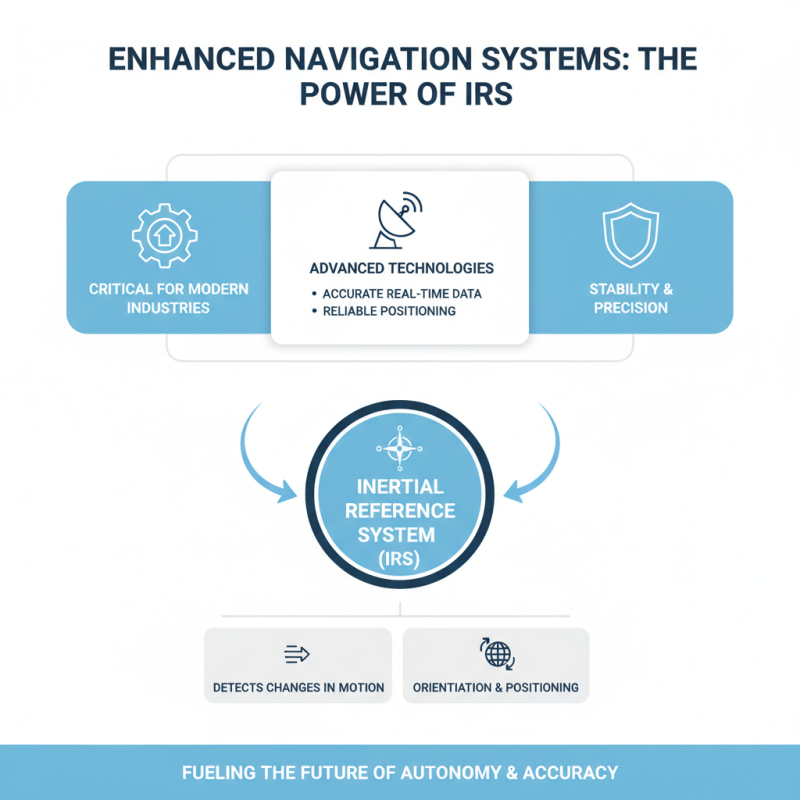
Enhanced navigation systems are becoming increasingly essential for various industries. They utilize advanced technologies to provide accurate real-time data. One of the key features is the integration of an Inertial Reference System (IRS). This system helps maintain stability and precision in navigation. It detects changes in motion and orientation, ensuring reliable positioning.
Another important aspect is the incorporation of air data sensors. These sensors gather information about altitude, speed, and other critical parameters. This data improves the functionality of navigation systems. While these features enhance performance, challenges remain. The calibration and maintenance of such systems can be complex. Users must ensure they understand the technology thoroughly.
Moreover, the cost-effectiveness of these systems cannot be overlooked. Affordable options exist, making enhanced navigation accessible. However, users should weigh performance against price. Sometimes, cheaper alternatives may lack essential features. This highlights the need for careful consideration in equipment selection. Balancing budget constraints with operational needs is vital for successful implementation.
Comparative Analysis of 2026 ODM Options
Navigating the complexities of air data inertial reference systems (ADIRS) is crucial for enhancing navigation accuracy. The market for these systems is steadily growing. According to a recent report, the global ADIRS market is expected to reach $3 billion by 2026, driven by increasing demand across aviation and aerospace sectors.
In 2026, several ODM options will emerge, each boasting unique features tailored for different applications. Some systems prioritize weight and compactness, while others focus on advanced algorithms for better accuracy. Still, there is a lack of standardization which may confuse buyers. Each system also comes with its own set of limitations. Buyers should weigh performance against cost carefully.
Tips: When comparing ODM options, consider how each system measures up against industry benchmarks. Look for detailed performance matrices. Analyze customer feedback for real-world insights that raw specifications might not reveal.
Ultimately, having multiple choices can lead to decision fatigue. It's important to recognize that functionality may differ significantly. Don't overlook future software updates that may improve existing features. Making the right choice now could save time and resources later on.
2026 ODM Air Data Inertial Reference System Performance Comparison
This bar chart compares four ODM options for Air Data Inertial Reference Systems based on three performance metrics: accuracy, weight, and price. Each dataset represents the respective values for these metrics, facilitating a clearer understanding of which option may be the most suitable for enhanced navigation in 2026.
Cost-Effectiveness of Cheap Air Data Systems
The demand for cost-effective Air Data Inertial Reference Systems (ADIRS) is rising. Budget constraints push developers to seek affordable solutions. The market research report suggested that low-cost options can save up to 30% on initial investments. This is significant for small and medium-sized enterprises looking to enhance navigation capabilities.
Recent studies reveal that low-cost air data systems may not always meet stringent performance standards. While they are financially attractive, quality varies. Some reports indicate that cheaper systems can lead to a 15% increase in error rate compared to premium models. Such discrepancies could impact flight safety.
Investing in cheaper systems might seem beneficial upfront. However, the long-term reliability can be questionable. Engineers often face hurdles balancing cost and precision. If a low-cost system fails, the financial implications grow. The challenge remains to find a solution that is both affordable and dependable for future navigation advancements.
Challenges and Limitations of Current Technologies
The current landscape of Air Data Inertial Reference Systems (ADIRS) presents various challenges and limitations. Many systems struggle with accuracy in diverse weather conditions. This can lead to navigation errors that may affect flight safety. Calibration issues arise frequently, especially in harsh environments or after prolonged use. Keeping systems updated is vital for operational performance. Yet, many users neglect this critical step.
Tips: Regular maintenance checks should be part of your navigation routine. Ensuring that all components function properly can prevent costly errors.
Another significant issue is the integration of advanced technologies. While newer systems promise enhanced capabilities, they often face compatibility problems with existing setups. Users may find themselves caught in a cycle of upgrades without a clear path to reliability. Data overload is another concern, as systems process complex information that is sometimes overwhelming.
Tips: Simplifying your data inputs can help. Focus on essential metrics to improve decision-making during navigation.
Reflection on these challenges is essential. Understanding operational limitations can lead to better practices. Embracing simplicity in technology can alleviate some of the stress associated with new systems. As we move towards 2026, attention to these factors will be crucial for effective navigation solutions.
2026 Best ODM Cheap Air Data Inertial Reference System for Enhanced Navigation
| Feature |
Specification |
Current Challenges |
Expected Enhancement |
| Accuracy |
± 0.1° |
Environmental Interference |
Advanced Filtering Algorithms |
| Response Time |
|
Sensor Lag |
Faster Processing Units |
| Weight |
|
Material Limitations |
Lightweight Composites |
| Power Consumption |
|
Short Battery Life |
Energy-efficient Components |
| Cost |
|
Manufacturing Costs |
Streamlined Production Methods |
| Compatibility |
Multiple Protocols |
Integration Issues |
Standardized Interfaces |
Future Trends in Air Data Inertial Reference Systems
The future of Air Data Inertial Reference Systems (ADIRS) looks promising yet complex. Enhanced navigation capabilities are a primary focus. Next-generation systems aim to integrate advanced sensors that provide more accurate data. These improvements may come at a lower manufacturing cost, making them more accessible.
However, challenges persist. As technology advances, ensuring reliability remains crucial. The trade-off between cost and precision could affect system integrity. Engineers must also address the integration of these systems with existing platforms, which can be tricky. Smaller systems are emerging, but they may lack the robustness of larger counterparts. Balancing innovation with practicality is essential for success.
Moreover, the industry is seeing a push towards automation. Automated systems can reduce human error, but they also require rigorous testing. The race for affordable, efficient solutions is intense, with potential impacts across various sectors. Amidst these developments, reflection on safety and efficiency remains vital. What's next for ADIRS? Only time will reveal the true trajectory of this technology.
Exploring the Impact and Applications of the Micro Electro Mechanical System 170M in Modern Technology
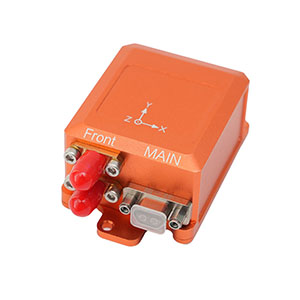
The Micro Electro Mechanical System (MEMS) 170M represents a significant advancement in modern technology, particularly in the realm of navigation systems. With its exceptional performance specifications, including a heading accuracy of just 0.1 degrees and an attitude accuracy also at 0.1 degrees, the MEMS 170M is poised to revolutionize how devices perceive their orientation and movement. This level of precision is crucial for various applications, such as autonomous vehicles, drones, and portable electronic devices, where accurate navigation is imperative for safety and functionality.
One of the standout features of the MEMS 170M is its remarkably small and lightweight design. This compactness allows for seamless integration into a wide array of devices without adding significant weight or bulk. It opens up new possibilities for innovation, enabling manufacturers to incorporate advanced navigation capabilities into wearables, mobile devices, and even IoT applications. The reduced size does not come at the expense of performance; rather, it complements the superior accuracy that the MEMS 170M offers, making it an ideal choice for modern technology solutions that demand both efficiency and compactness. As the demand for sophisticated navigation solutions continues to grow, the MEMS 170M is set to play a pivotal role in shaping the future of device functionality and responsiveness.
Conclusion
The article titled "2026 Best ODM Cheap Air Data Inertial Reference System for Enhanced Navigation" provides a comprehensive overview of Air Data Inertial Reference Systems and their significance in modern navigation technology. It highlights the role of Original Design Manufacturers (ODM) in developing cost-effective solutions that enhance navigational capabilities. Key features of these systems are examined, showcasing advancements that improve accuracy and reliability.
Furthermore, the article conducts a comparative analysis of various ODM options available in 2026, emphasizing their cost-effectiveness while addressing challenges and limitations faced by current technologies. It also discusses future trends in Air Data Inertial Reference Systems, indicating a movement towards more sophisticated and accessible navigation solutions that will shape the landscape of aviation technology.

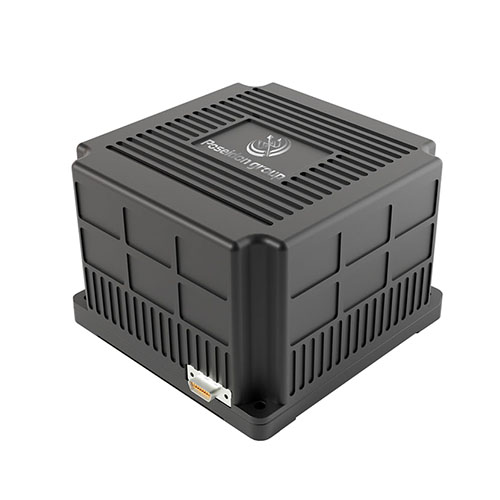 TBSD60
 BSD120
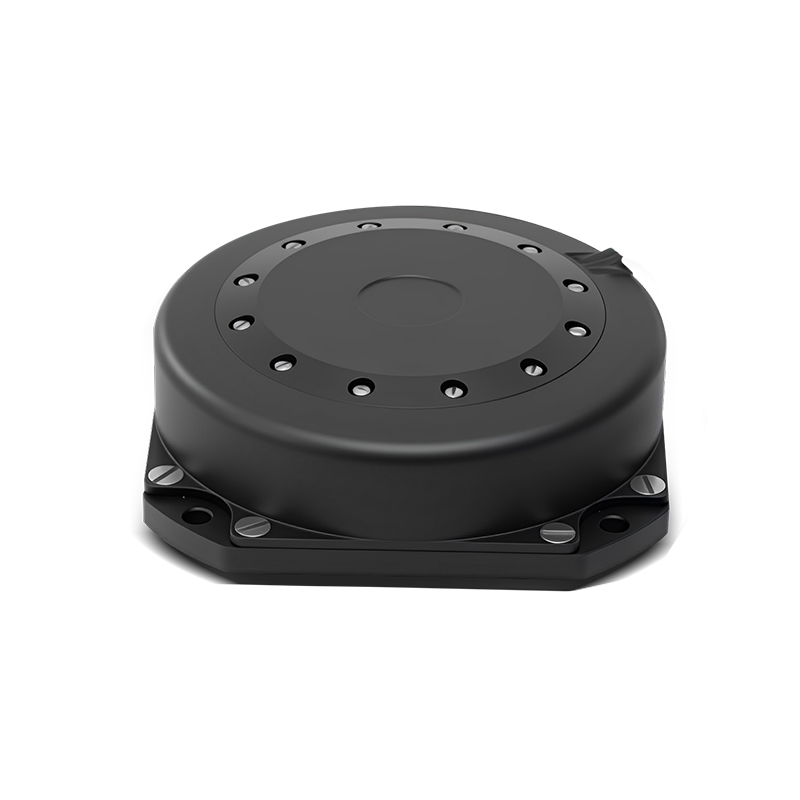 BSD98
BSD98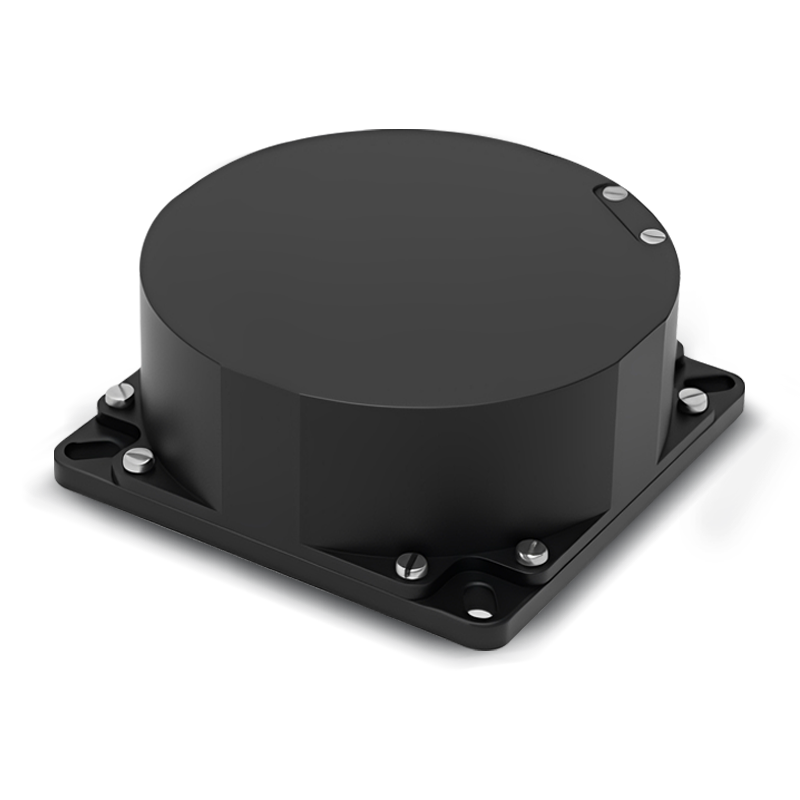 BSD70
BSD70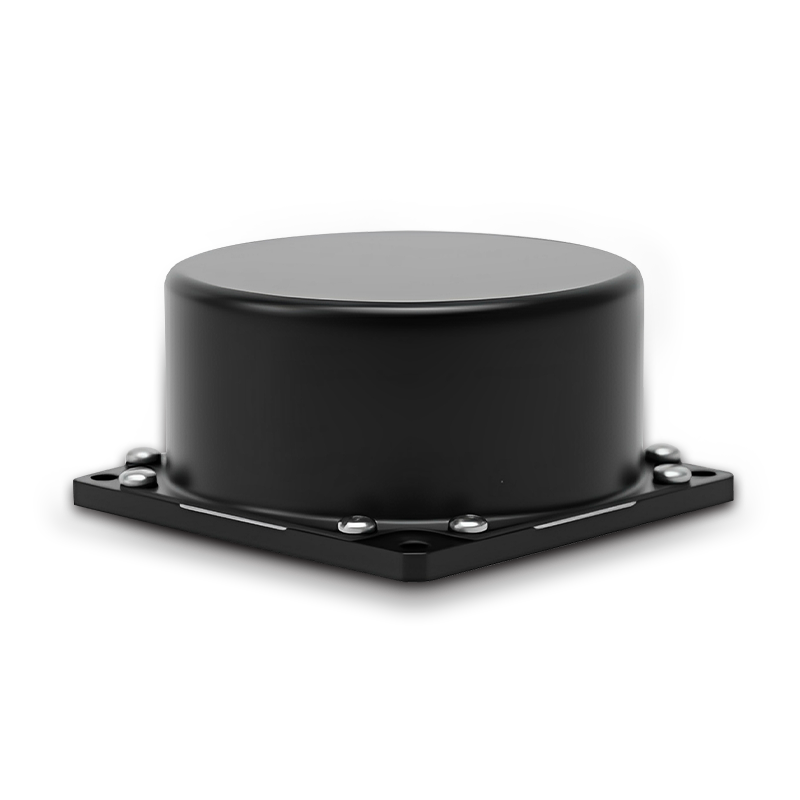 BSD60
BSD60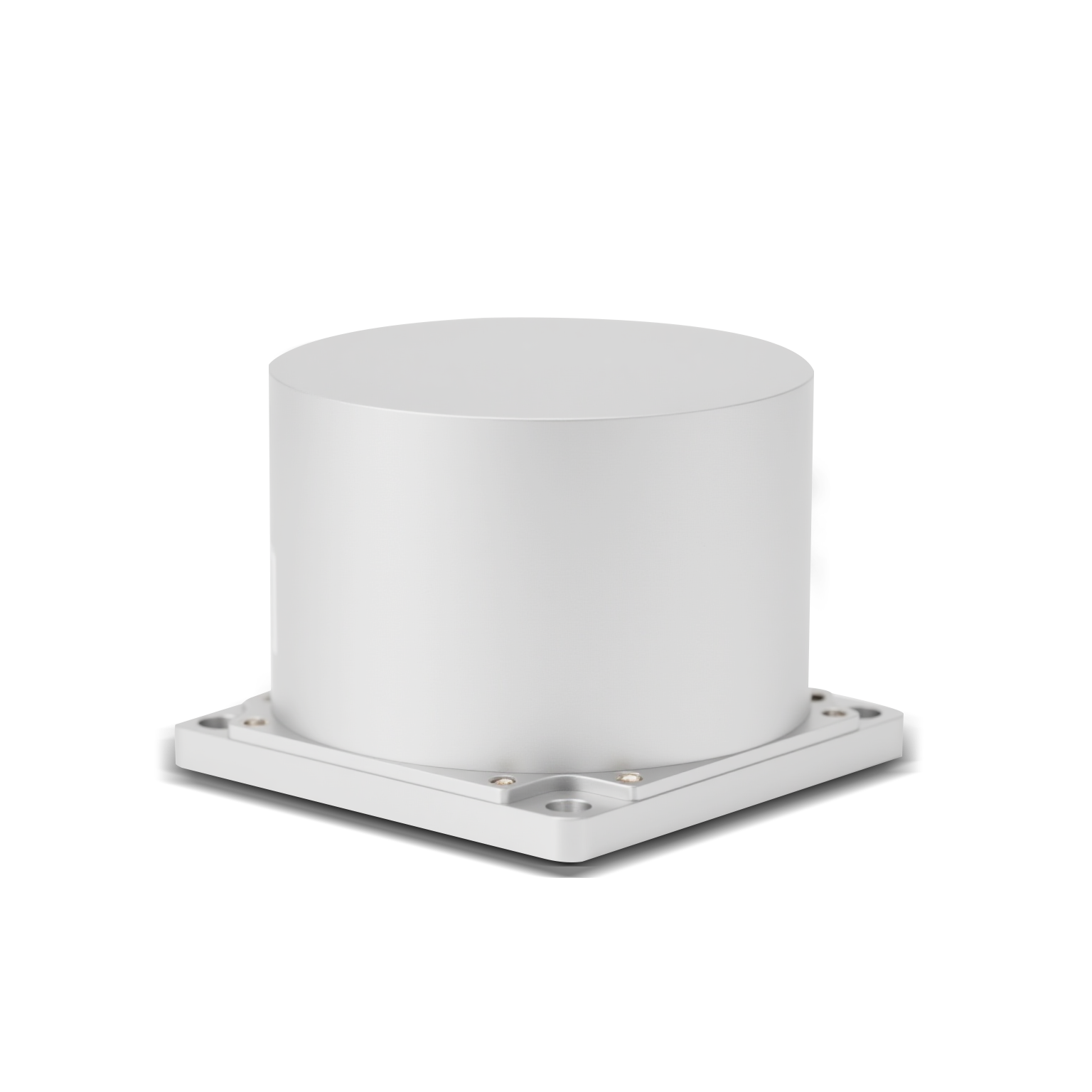 BSD50
BSD50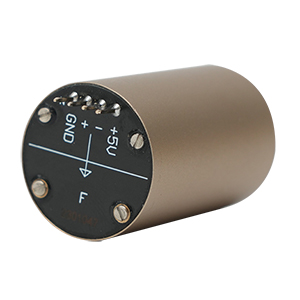 BSD217
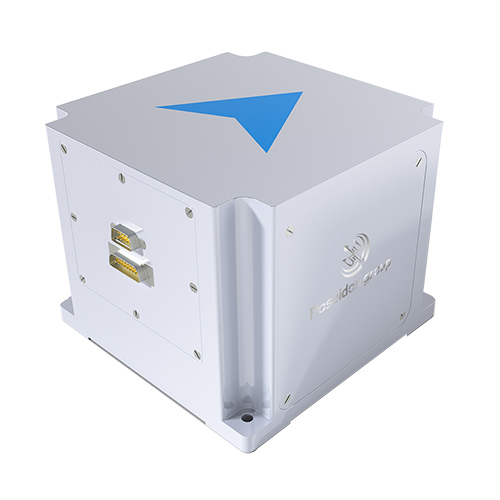 INS1700
 INS970
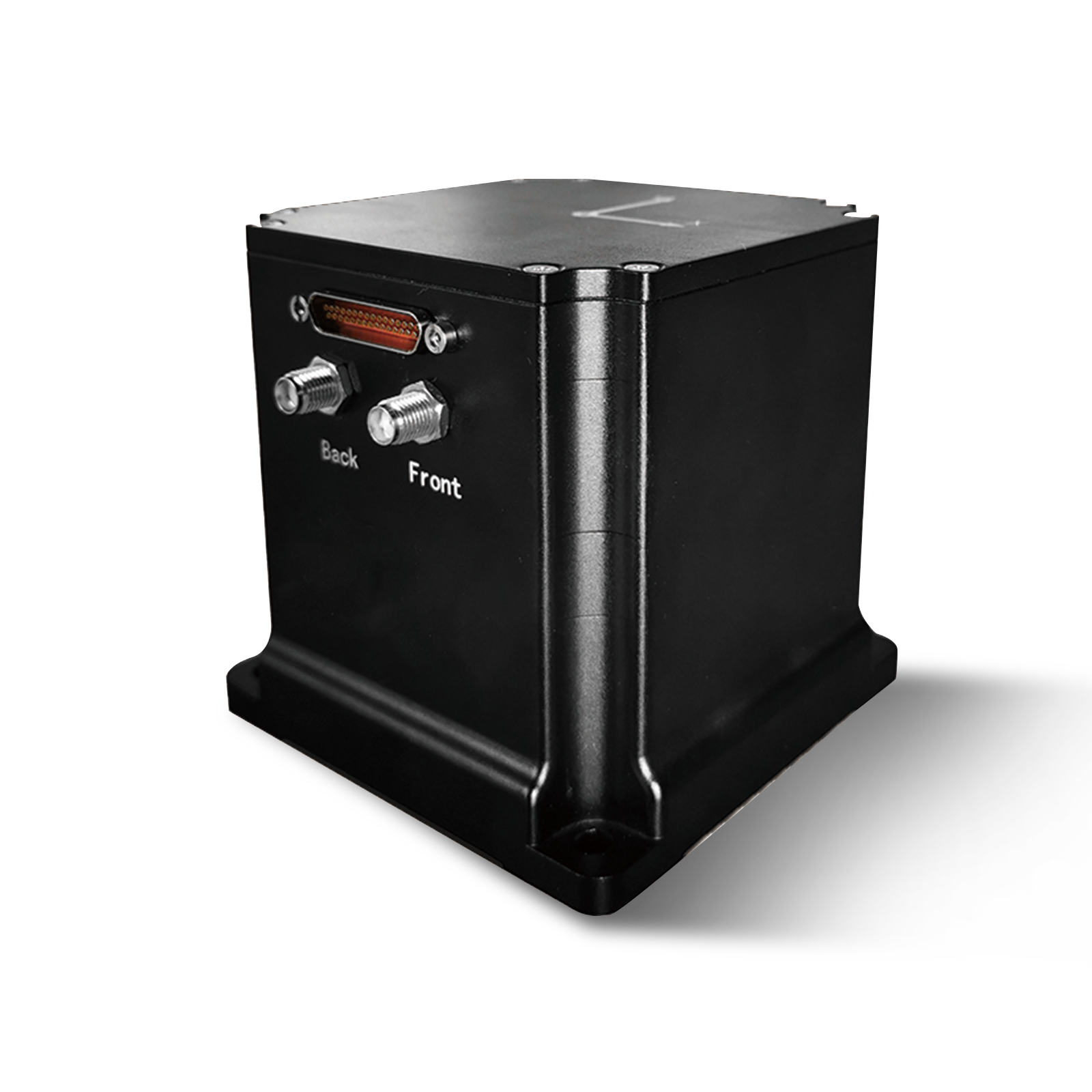 INS570
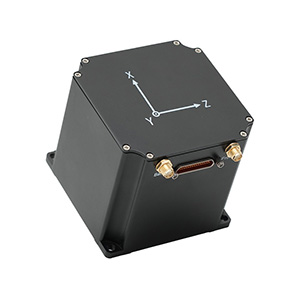 INS170
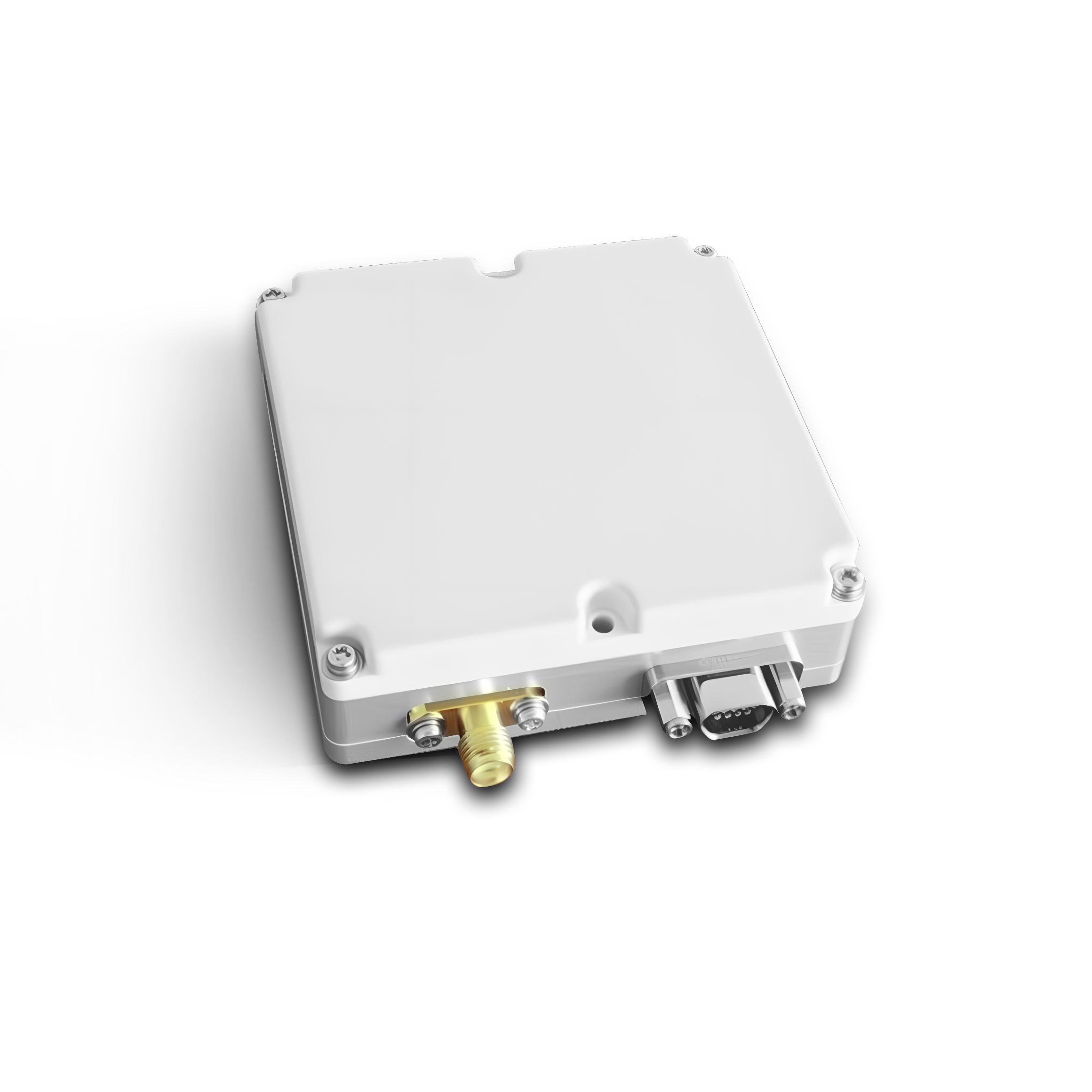 SLA-4B1L1-65
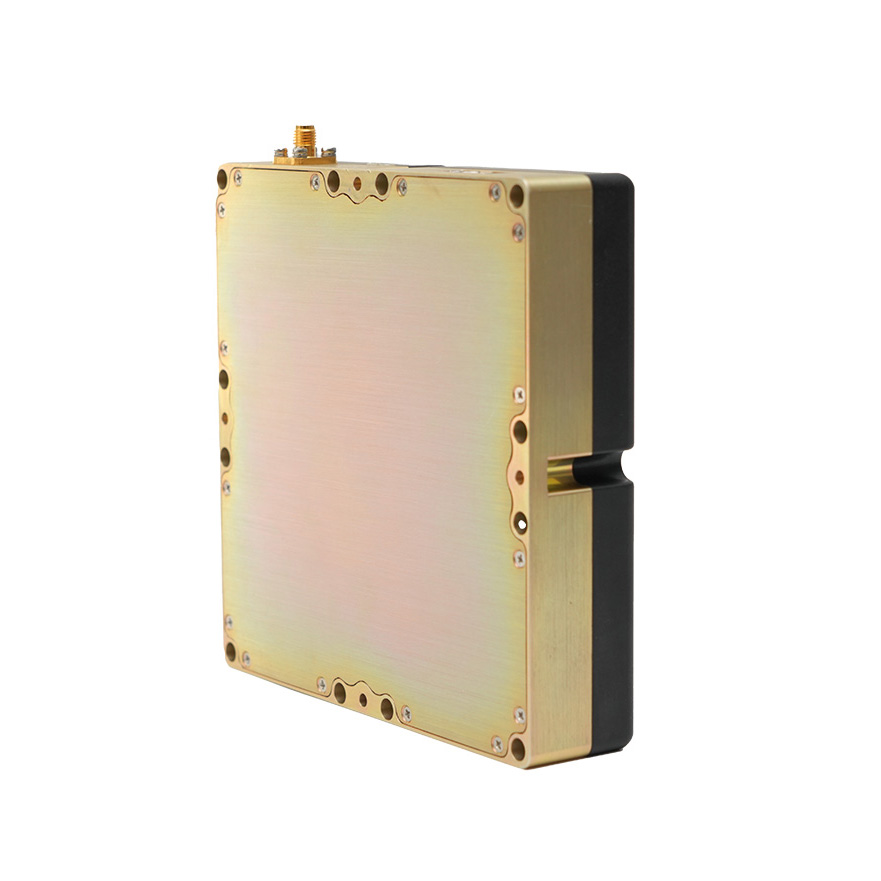 SLA-4B1L1-130
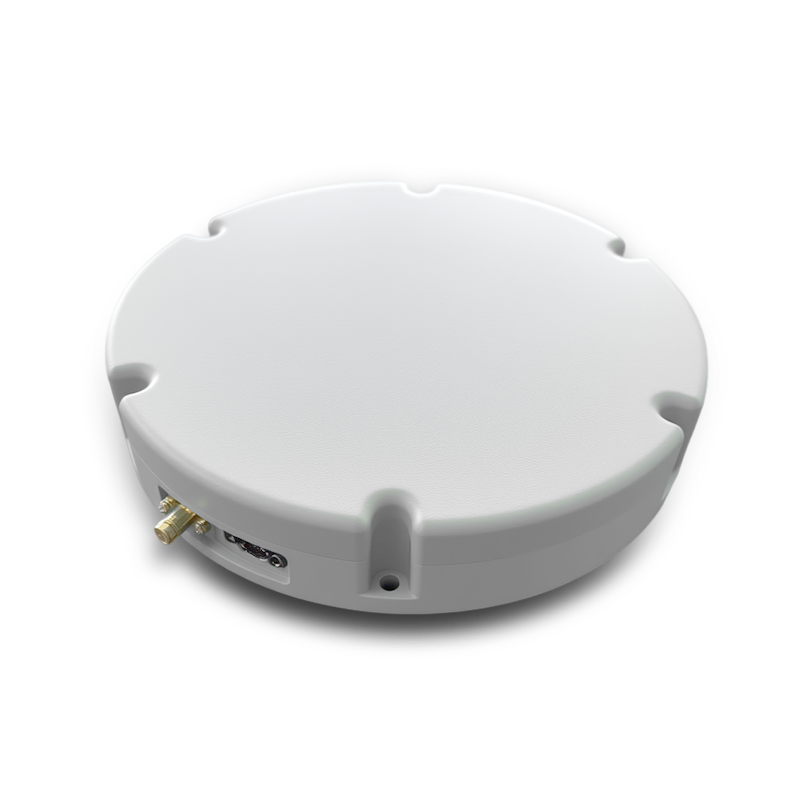 SLA-8B1L1-165
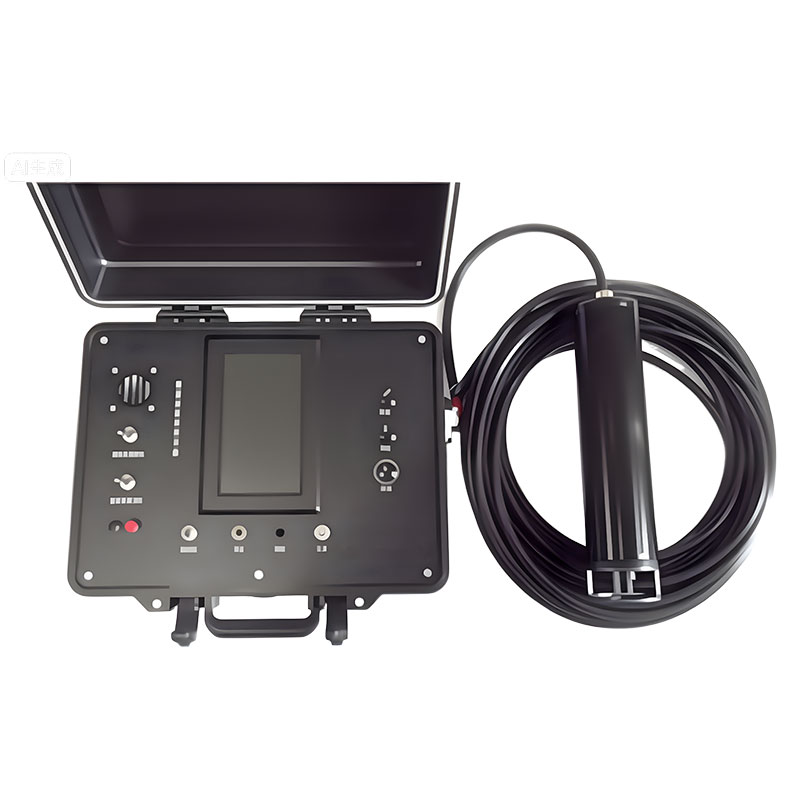 DIVER 101
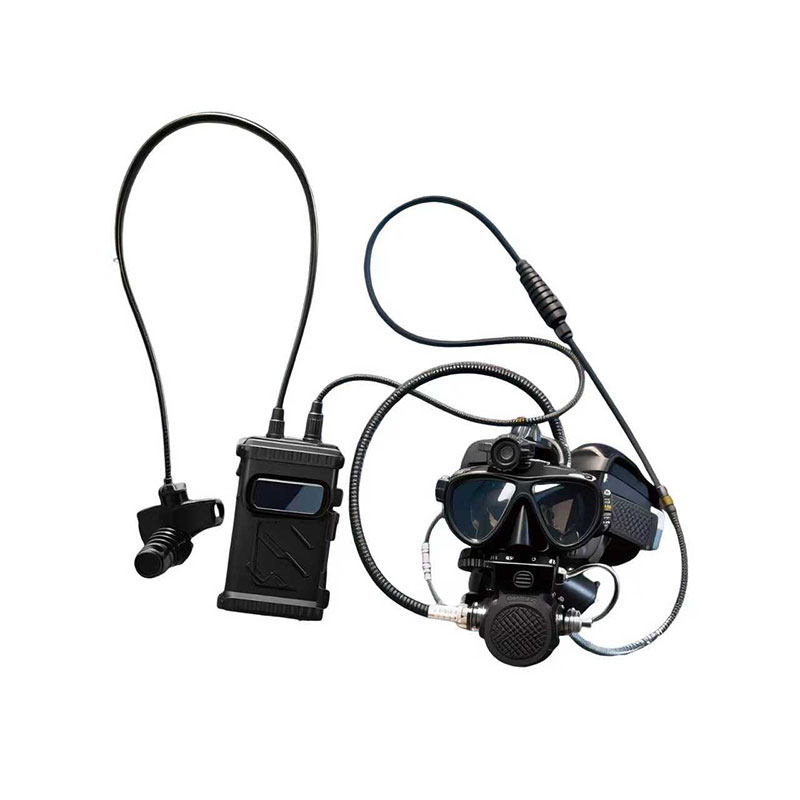 DIVER 102
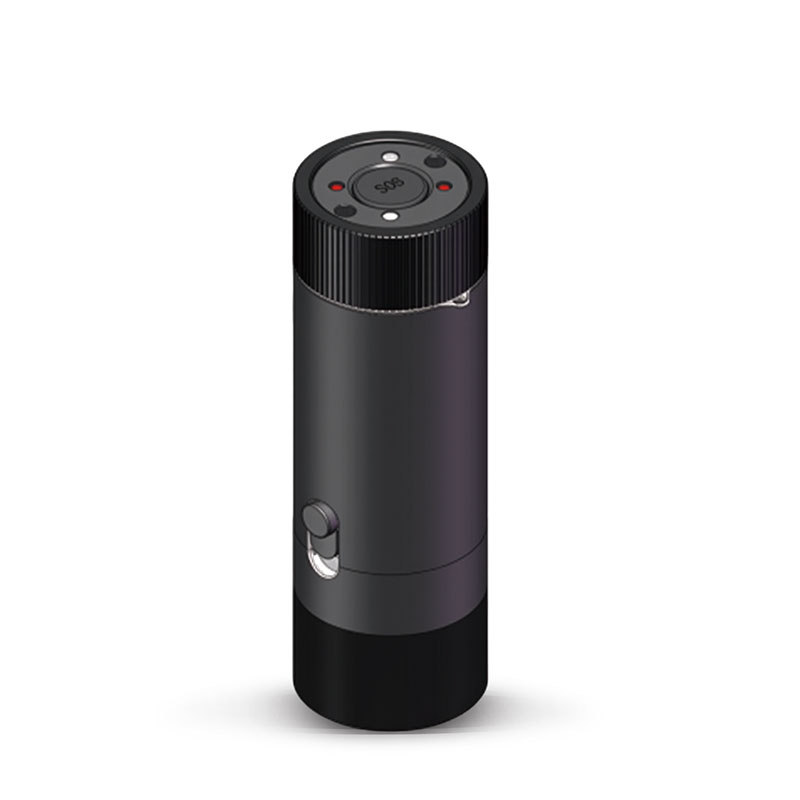 DIVER 103
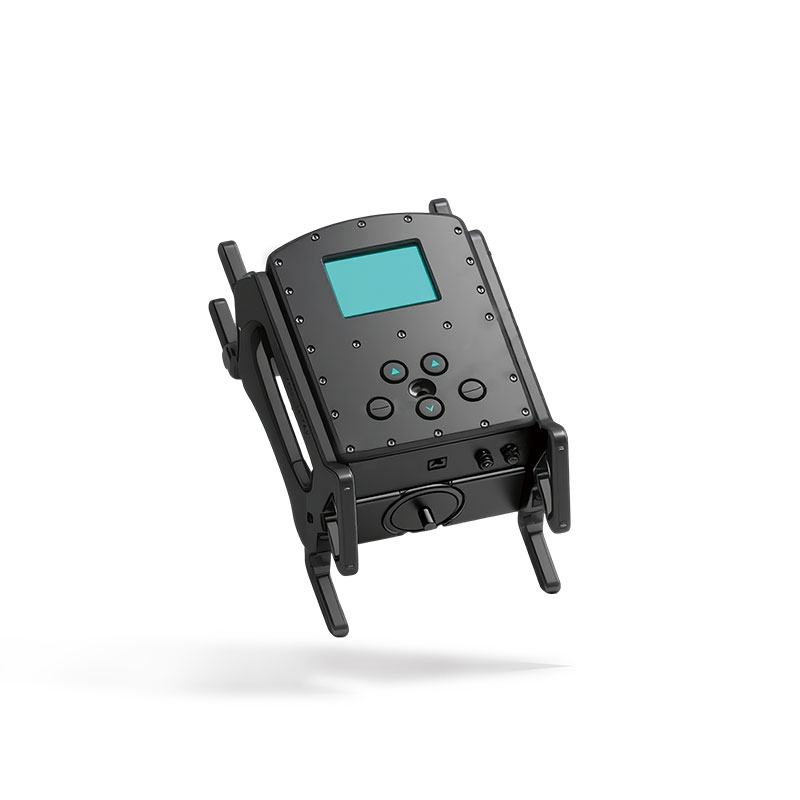 DIVER 104
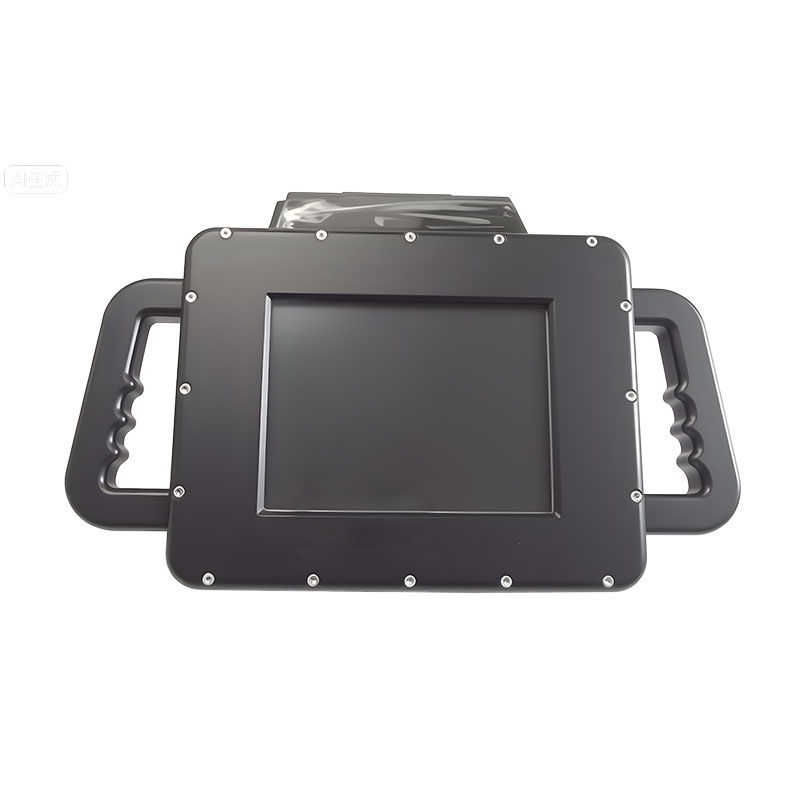 DIVER 105
 DIVER 106
 SLLR3000
 SLLR905
 SLLD25
 160M
160M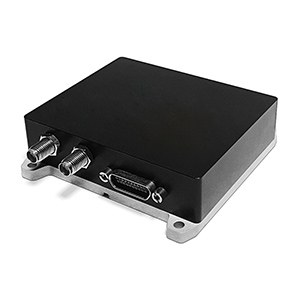 170M
170M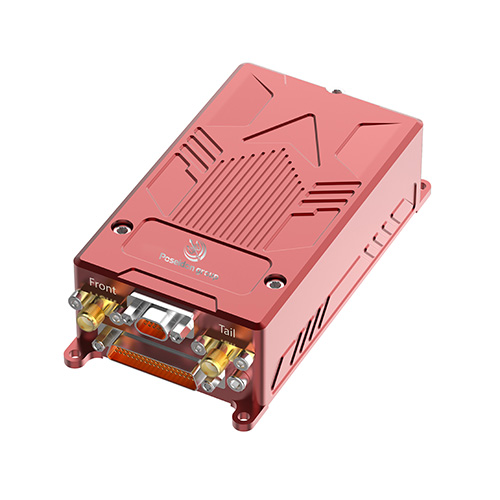 SLFC-70
 SLAF280
 MR360
MR360